
 Google Reviews
Content professionally reviewed by Dr. Nguyen Ngoc Tan
DDS, Dental Implants Specialist Trained in Brazil
Choosing the right dental services for dental implants isn’t simply about comparing prices. It’s about understanding which treatment is right for your condition, how the procedure is planned, how long you’ll need to stay, and what to expect before committing to care.
Today, dental implant services in Ho Chi Minh City cover everything from single-tooth replacement to full-mouth rehabilitation using modern digital technology and internationally recognized implant systems. This guide explains the treatment options available, expected timelines, costs, implant brands, and the key factors international patients should consider before planning treatment in Vietnam.
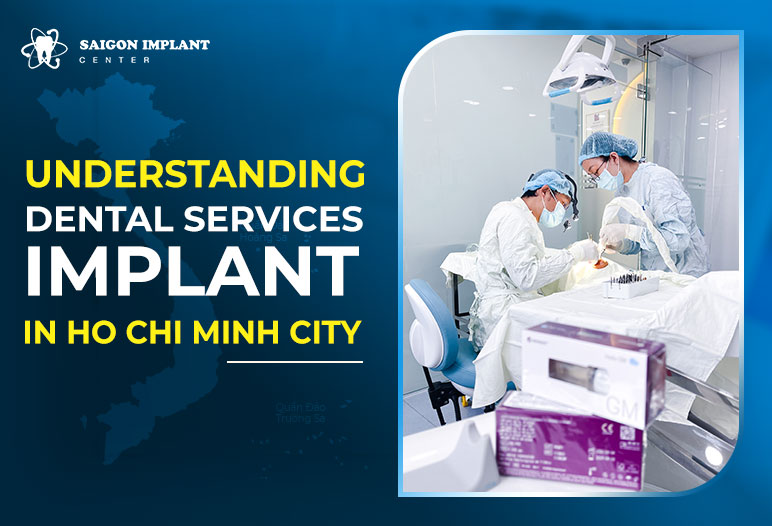
What Dental Services Implants Are Available in Ho Chi Minh City?
Over the past decade, Ho Chi Minh City has become one of Vietnam’s primary destinations for dental implant treatment. According to Vietnam’s dental tourism market reports, the city welcomes more than 40,000 international dental patients each year, accounting for the largest share of the country’s dental tourism market. This growth has encouraged many implant-focused clinics to invest in digital workflows, including 3D CBCT imaging, intraoral scanners, guided implant surgery, and CAD/CAM restorations.
As a result, patients travelling to Ho Chi Minh City can now access a full range of implant treatments—from replacing a single missing tooth to restoring an entire arch or managing cases with significant bone loss.
Looking to Replace a Single Missing Tooth Without Touching Healthy Teeth?
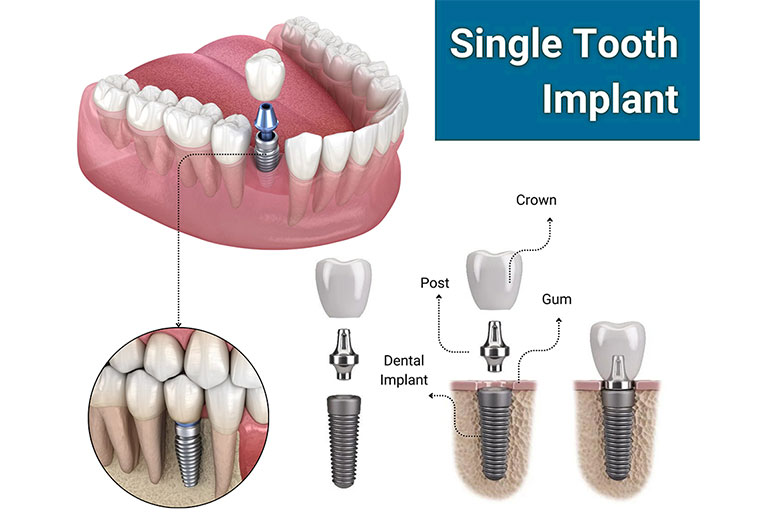
A single dental implant is typically the preferred solution for replacing one missing tooth. Unlike a traditional dental bridge, it restores the missing tooth without reshaping the healthy teeth on either side. At many specialist implant clinics in Ho Chi Minh City, treatment begins with a 3D CBCT scan and digital planning, allowing the implant to be positioned with greater precision while preserving surrounding bone and soft tissue. For many international patients, this is one of the most predictable long-term options for restoring both function and aesthetics.
Missing Several Teeth? You May Not Need One Implant for Every Tooth
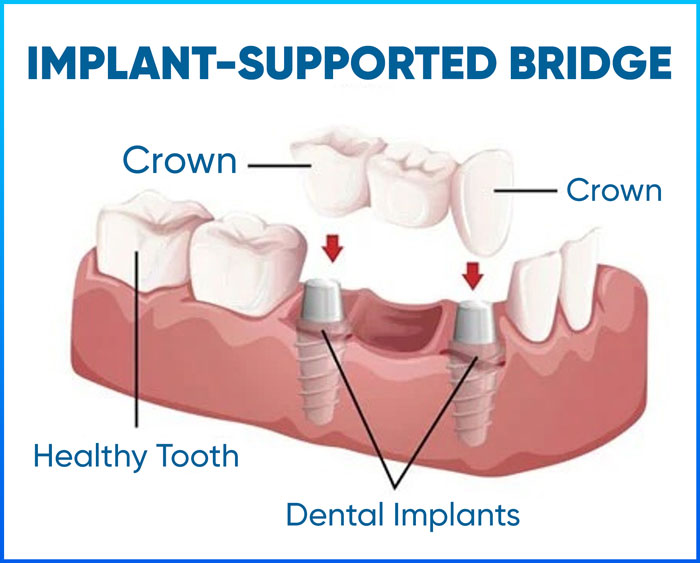
Many patients assume that every missing tooth requires its own implant, but that’s often not the case. When several adjacent teeth are missing, implant-supported bridges are commonly recommended by implant specialists in Ho Chi Minh City. By strategically placing a smaller number of implants to support multiple replacement teeth, dentists can restore chewing function while reducing the extent of surgery and overall treatment cost.
Looking for a Fixed Alternative to Loose Dentures?
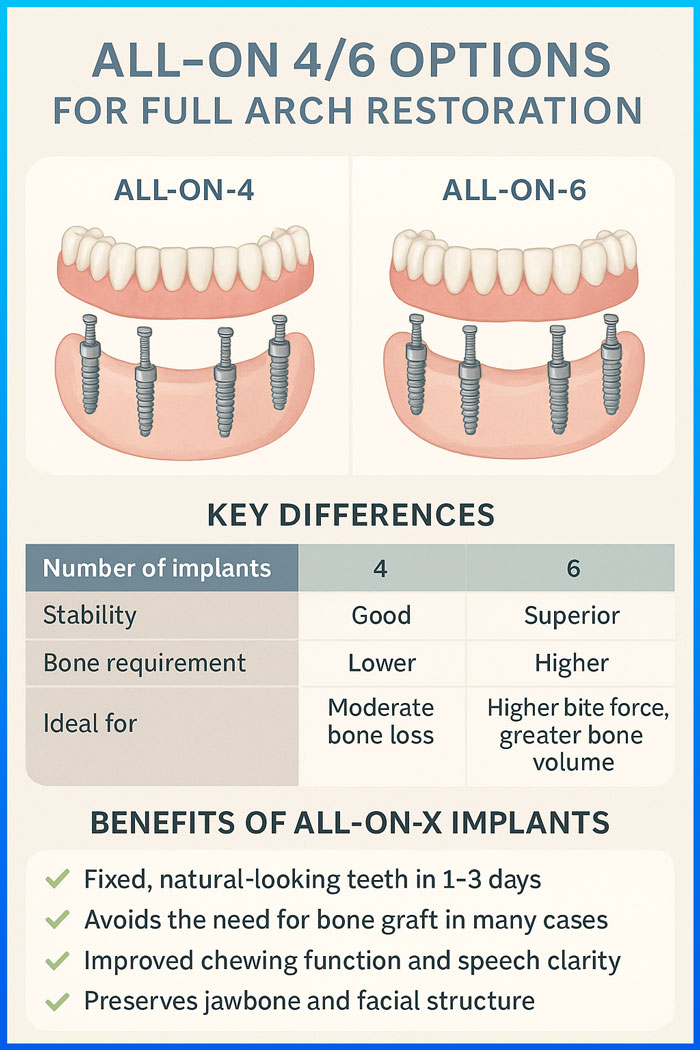
For patients who have lost most or all of their teeth, full-arch dental implants have become one of the most established implant services in Ho Chi Minh City. Treatments such as All-on-4 implants and All-on-6 dental implants are routinely performed at specialist centers using digital treatment planning, guided implant surgery, and fixed zirconia restorations. These solutions are particularly popular among overseas patients who want a stable, long-term alternative to removable dentures.
Need a Tooth Extracted? Immediate Implant Placement May Be an Option
Not every implant requires months of waiting after a tooth extraction. In suitable cases, an implant can be placed immediately after the tooth is removed, reducing the overall treatment timeline. Before recommending this approach, implant dentists evaluate bone quality, infection control, and implant stability using CBCT imaging to determine whether immediate placement is clinically appropriate.
When you invest in advanced dental care abroad, you aren’t just paying for a piece of titanium or a dental fixture. You are paying for a highly controlled, protective medical protocol designed to eliminate risk, protect your systemic health, and give you back the simple, worry-free joy of eating and smiling for the rest of your life.
Can Your Dental Services Implant Treatment Be Completed in One Trip?
If you’re planning to travel to Ho Chi Minh City for fasted dental implants, one of the most common questions is whether everything can be completed in a single visit.
For patients expecting to leave with their final permanent teeth, the answer is generally no. In most cases, dental implant treatment is completed over two separate treatment phases, with a healing period in between.
The reason is straightforward. After an implant is placed, it needs time to fuse with the surrounding jawbone through a natural healing process known as osseointegration. This process creates the stable foundation needed to support your final crown or bridge. While digital technology has made implant treatment more precise than ever, it cannot replace or speed up the way bone heals.
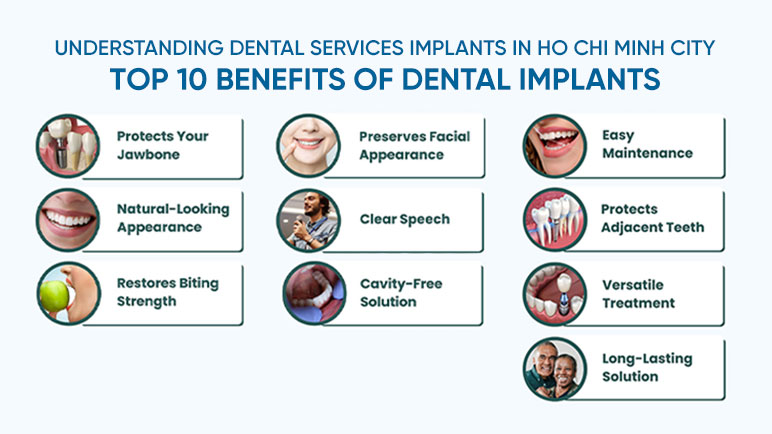
For that reason, experienced implant dentists in Ho Chi Minh City usually recommend dividing treatment into two visits. Although it takes longer, this approach provides the best conditions for long-term implant stability.
Your First Visit: Surgery and Temporary Teeth
The first visit focuses on placing the implant and preparing the foundation for your final restoration.
Depending on your individual treatment plan, your appointments may include:
- Comprehensive examination and 3D CBCT scan
- Tooth extraction, if necessary
- Bone grafting or sinus lift, when indicated
- Implant placement
- Temporary crown or temporary bridge, where clinically appropriate
- Follow-up review before returning home
Most international patients stay in Ho Chi Minh City for about 7 to 10 days, giving enough time for surgery, recovery, and post-operative checks before flying home.
Healing at Home: What Happens Over the Next 3–6 Months?
Once you return home, the implant begins integrating with your jawbone.
Over the next three to six months, new bone gradually grows around the implant surface, creating the support needed for your permanent restoration. During this period, most patients are able to return to their normal daily routine while following the aftercare instructions provided by their dentist.
Although this stage happens quietly, it is one of the most important parts of the entire treatment process. The quality of bone healing has a direct impact on the long-term stability of the implant.
Your Second Visit: Receiving Your Final Teeth
After your dentist confirms that the implant has successfully integrated with the bone, you’ll return to Ho Chi Minh City for the final stage of treatment.
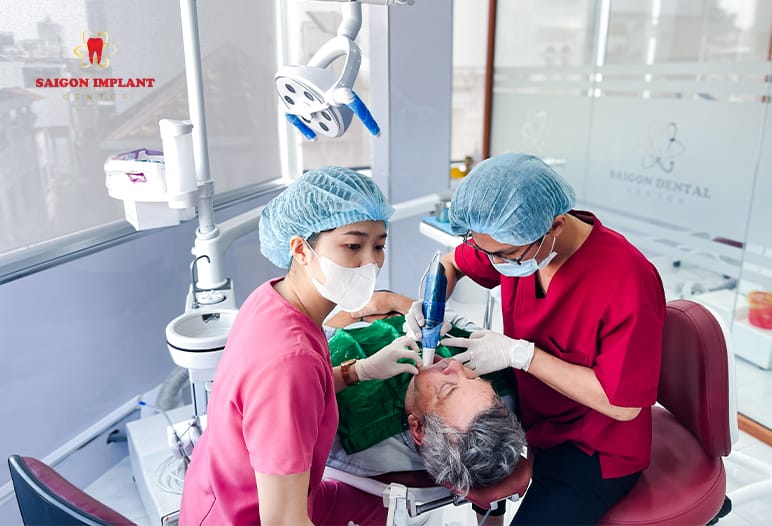
This visit usually includes:
- Digital intraoral scanning
- Bite assessment
- Fabrication of the final restoration
- Placement of the definitive zirconia or porcelain crown or bridge
- Final bite adjustment and clinical review
How Long Should You Stay in Ho Chi Minh City for Dental Implant Treatment? For most patients, this stage takes around 5 to 7 days.
Understanding the Reality Behind “Teeth in a Day”
Many patients assume that “Teeth in a Day” means their entire implant treatment can be completed during a single trip. In reality, that’s not what the term means.
In carefully selected cases, a temporary fixed tooth or bridge may be attached on the same day the implant is placed. This allows patients to smile and function more comfortably during the healing period.
However, these temporary teeth are not the final restoration. Once osseointegration is complete, a second visit is still needed to fabricate and fit the permanent crown or bridge.
Why Experienced Implant Dentists Still Recommend Two Treatment Phases
It’s natural to want treatment completed as quickly as possible, especially when travelling from overseas. However, successful implant treatment depends on more than the surgery itself.
Allowing enough time for the implant to integrate with the jawbone before placing the final restoration helps create a stronger, more stable foundation for long-term function. This is why two-stage treatment continues to be the approach most commonly recommended by experienced implant clinicians around the world.
For most international patients, making two planned visits is not simply part of the schedule—it’s an important part of achieving a predictable and long-lasting treatment outcome.
If you’re travelling from overseas, it’s also worth asking about non-clinical support before choosing a dental implant clinic. Many clinics in Ho Chi Minh City provide assistance with airport transfers, accommodation, or local transportation for eligible international patients.
Because these services differ from one provider to another, reviewing the package details in advance can help you plan both your treatment and travel more efficiently.
How Much Do Dental Implant Services Cost in Ho Chi Minh City?
For many international patients, cost is one of the main reasons for considering dental implant treatment in Vietnam. Even after accounting for flights and accommodation, the total cost of treatment in Ho Chi Minh City is often significantly lower than in countries such as Australia, the United States, Canada, or the United Kingdom.
This difference is largely due to Vietnam’s lower operating costs—including clinic overhead, staffing, and facility expenses—rather than the use of lower-quality implant materials. Many specialist implant clinics continue to use internationally recognized implant systems, digital planning technology, and modern surgical protocols while offering treatment at a lower overall cost.
Are Dental Implant Packages in Ho Chi Minh City All-Inclusive?
Many dental implant clinics in Ho Chi Minh City offer treatment packages to simplify planning for international patients. However, what is included can vary considerably from one clinic to another.
Before confirming your treatment, ask for a written quotation that clearly outlines both the included services and any additional fees that may apply.
What’s Usually Included?
Most comprehensive implant packages include:
- Initial consultation
- 3D CBCT scan and digital X-rays
- Digital treatment planning
- Implant fixture
- Abutment
- Temporary restoration (when indicated)
- Final crown or bridge
- Local anesthesia
- Standard medications
- Follow-up appointments
Some clinics may also provide support with airport transfers, accommodation recommendations, or treatment scheduling for international patients.
What May Cost Extra?
Additional procedures are usually charged separately because they depend on your individual clinical condition.
These may include:
- Bone grafting
- Sinus lift surgery
- Surgical tooth extraction
- Intravenous sedation (if requested)
- Additional laboratory upgrades
Clinical Tip:
If bone grafting or sinus lift is included in a fixed-price package before a CBCT scan has been performed, ask how the treatment decision is being made. These procedures should be recommended only after evaluating your jawbone condition.
Which Dental Implant Brands Are Commonly Used in Ho Chi Minh City?
Most implant-focused clinics in Ho Chi Minh City use internationally recognized implant systems such as Straumann, Nobel Biocare, Osstem, Dentium, and Neodent. These brands have been widely used in clinical practice for many years and are commonly selected for everything from single-tooth implants to full-arch rehabilitation.
The right implant isn’t simply the most expensive or most well-known brand—it’s the one that best fits your clinical condition. Factors such as bone quality, implant position, and treatment complexity all play a role in your dentist’s recommendation.
Who is a good candidate for dental implants?
Dental implants are a highly effective and long-lasting solution for tooth replacement, but they aren’t a one-size-fits-all remedy. Various factors determine whether a person is suited for implant treatment, including overall health, bone density, oral hygiene commitment, and individual lifestyle choices.
Good overall health a prerequisite for success
A crucial aspect of candidacy for dental implants is possessing good general health. Patients whose immune systems are compromised or who suffer from chronic illnesses may face challenges during the implant process. Conditions like uncontrolled diabetes or autoimmune disorders can hinder healing and increase the risk of complications.
Before undergoing implant surgery, dental professionals typically conduct thorough evaluations, including medical histories and physical assessments. It’s vital to disclose all relevant health information, and potential candidates should engage in discussions about their medical conditions.
Adequate jawbone density the foundation for success
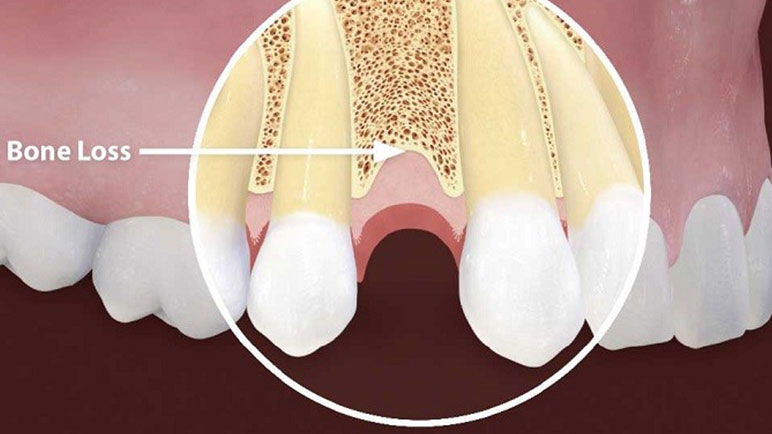
For successful implant placement, adequate bone density in the jaw is non-negotiable. The implant must be anchored securely within the bone to ensure longevity and stability. If there is insufficient bone density, patients may require a bone grafting procedure before proceeding with implants.
Bone grafting involves harvesting bone tissue from another part of the body or utilizing synthetic materials to build up the jawbone. This additional step can extend the timeline for receiving implants but is often necessary for those with significant bone loss.
Commitment to oral hygiene essential for longevity
The success of dental implants hinges significantly on oral hygiene practices. Patients must exhibit a commitment to maintaining cleanliness around their implants, involving regular brushing, flossing, and routine dental check-ups. Neglecting oral hygiene can lead to infections or peri-implantitis, conditions that threaten the longevity of the implants.
Dental professionals emphasize the importance of establishing a consistent oral care routine post-surgery. Those dedicated to long-term care usually experience the best outcomes.
Lifestyle choices the impact of smoking and realistic expectations
Lifestyle habits, especially smoking, play a significant role in determining candidacy. Smoking impairs blood flow, delaying healing and raising the risk of implant failure. Dentists frequently encourage patients to quit smoking before undergoing any surgical procedures, including dental implants, to improve outcomes.
Moreover, realistic expectations are paramount. While dental implants are transformative, they are not a magical fix. Patients should enter the process informed and prepared for the healing timeline, follow-up appointments, and ongoing maintenance necessary for successful results.
What is the dental implant procedure like?
The dental implant procedure is multifaceted, consisting of multiple stages that require careful planning and execution. Each appointment builds upon the last, culminating in the final reconstruction of the patient’s smile. Understanding the various phases helps demystify the process and sets patient expectations appropriately.
Initial consultation and assessment setting the stage
The journey toward dental implants begins with an initial consultation. During this appointment, the dentist performs a comprehensive examination, assessing the patient’s dental health and discussing their history and goals. X-rays or 3D scans may be utilized to evaluate bone density and determine the appropriate implant placement strategy.
This stage is crucial for developing a personalized treatment plan that aligns with the patient’s unique circumstances. Discussion regarding potential risks and benefits occurs during this meeting, fostering informed consent.
Implant placement the surgical procedure
Once the initial assessment confirms the patient’s candidacy, the next step is the surgical placement of the implants. Performed under local anesthesia, this procedure typically involves minimal discomfort. The dentist skillfully inserts titanium posts into the jawbone at strategic locations, ensuring optimal support for the crowns.
Post-surgery, patients may experience mild swelling or discomfort, which can be managed with prescribed medications. Following placement, the healing phase commences, requiring patience as osseointegration takes place.
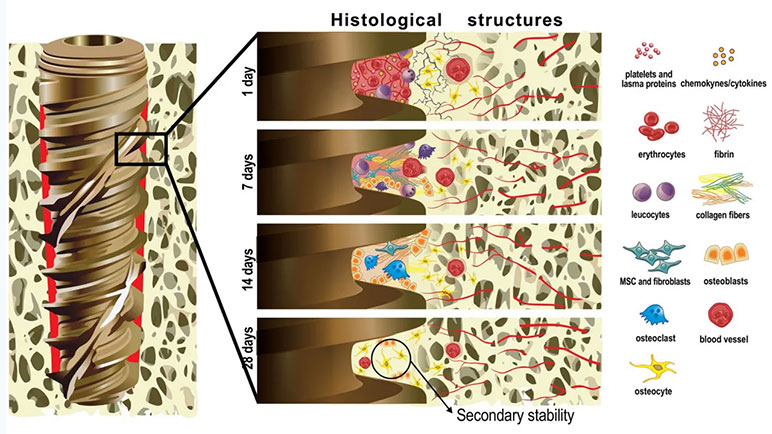
Osseointegration the healing period
Osseointegration is the critical period following implant placement when the jawbone fuses with the titanium post. This process typically lasts several months, during which the bone grows around the implant, establishing a secure foundation. This healing phase is pivotal; successful osseointegration often dictates the outcome of the entire implant process.
During this period, it’s essential for patients to attend follow-up appointments where their dentist can monitor healing progress. Any concerns about pain or unusual symptoms should be communicated to ensure timely intervention if necessary.
Abutment placement and crown fitting final touches
After osseointegration completes, a second minor surgical procedure places an abutment on the implant. This connector links the titanium post with the custom-designed crown. The dentist will take impressions of the teeth to craft a crown that matches the patient’s natural teeth in size, shape, and color.
Once the crown is ready, the final step involves fitting it onto the abutment. At this point, the transformation is nearly complete, leaving patients with a fully restored smile capable of function and aesthetics.
How long does the dental implant process take?
The duration required for the dental implant process can vary based on a multitude of factors, including individual bone density, the number of implants, and overall health. Understanding the timeline helps set realistic expectations for patients considering this restorative procedure.
Individual bone density considerations
One key factor influencing the timeframe is the patient’s bone density. In cases where the jawbone is insufficient to support implants, bone grafting may be necessary. This preliminary procedure adds several months to the overall timeline, as the grafted material requires time to integrate with the existing bone before implants can be inserted.
Patients with sufficient bone density may proceed directly with implant placement, which generally accelerates the process. However, it’s paramount for dental professionals to assess each individual’s unique circumstances before determining a treatment plan.
Number of implants more teeth more time
The number of implants required also affects the timeline. Replacing multiple teeth will naturally entail more surgical procedures and longer healing times. Patients may opt for full arch restorations, which could involve complex strategies for implant placement.
It’s advisable for patients to discuss their options comprehensively with their dentist. Exploring alternatives, such as All-On-4 implants, can expedite the process for those needing extensive restoration.
Expected overall duration
Generally, the full dental implant process can take anywhere from three to six months. This estimate encompasses the initial consultation, surgical placement, osseointegration healing, abutment attachment, and crown fitting. In some instances, patients may require longer recovery periods depending on individual responses to treatment and any additional procedures undertaken.
Regular communication with the dental team throughout the process ensures that any issues arising during healing are addressed promptly, expediting the return to normalcy.
How do dental crowns and bridges improve smile and oral health?
Dental crowns and bridges are commonly used in conjunction with implants to restore the function and appearance of missing teeth. They play a pivotal role in enhancing both oral health and aesthetics, contributing to individuals’ confidence and well-being.
The role of dental crowns
Crowns are tooth-shaped caps placed over existing teeth or implants, serving both functional and cosmetic purposes. They improve the appearance, strength, and functionality of damaged or compromised teeth.
Crowns can restore a tooth’s shape and size after a filling or protect a weak tooth from fracture. They can also cover discolored or misshapen teeth, effectively transforming a person’s smile.
In terms of longevity, crowns made from durable materials such as porcelain or zirconium can withstand daily wear and tear, helping patients maintain their dental health.
Utilizing dental bridges
Bridges serve to replace one or more missing teeth by spanning the gap with artificial teeth attached to crowns placed on adjacent teeth. They help to maintain the shape of the face, prevent teeth from shifting, and enhance chewing function.
Bridges offer a fixed solution for missing teeth, replacing the natural tooth with an artificial one, thereby restoring function without requiring adhesives or removables. Like crowns, they contribute to improved aesthetics, giving patients renewed confidence in their smiles.
Comprehensive oral health benefits
Both dental services include dental crowns and bridges, used in conjunction with implants, play a crucial role in enhancing smile aesthetics and oral health:
Aesthetic benefits
- Replace missing teeth, restoring a natural and attractive smile.
- Correct misshapen, discolored, or chipped teeth, enhancing overall appearance and boosting self-esteem.
Oral health benefits
- Prevent shifting of adjacent teeth, promoting proper bite alignment.
- Improve chewing function, facilitating better digestion and nutrition.
- Enhance speech clarity, allowing for confident communication.
- Help prevent bone loss in the jaw where teeth are missing, supporting the overall structure of the face.
The long term value of restorative dentistry
Investing in dental crowns and bridges, particularly when combined with implants, fosters a proactive approach to oral health. Beyond immediate aesthetics, these restorations contribute to enhanced quality of life, allowing individuals to enjoy various foods without restrictions while feeling confident in their smiles.
Regular dental visits for cleaning and maintenance are essential to prolonging the lifespan of crowns and bridges, paving the way for lifelong oral health and satisfaction.
Conclusion
Dental implants offer a comprehensive and long-lasting solution for tooth replacement, revolutionizing oral health and restoring confidence. They are not just artificial teeth but a way to reclaim the quality of life you deserve. Before deciding on implant treatment, consulting with a reputable dentist in Ho Chi Minh City who can assess your suitability, answer your questions, and offer a personalized treatment plan is crucial.
With proper care and maintenance, your dental implants can provide years of comfortable function and a beautiful smile that lasts a lifetime. Investing in dental services, including implants, crowns, and bridges, is an investment in your overall well-being, allowing you to smile brightly and enjoy life fully.
 Call
Call Booking
 Chat
Chat