

 Google Reviews

Content professionally reviewed by Dr. Nguyen Ngoc Tan
DDS, Dental Implants Specialist Trained in Brazil
Why does one clinic quote $4,000 while another quotes $15,000 for the same full-mouth dental implant treatment?
For international patients comparing treatment options, understanding full mouth dental implant cost is often more complicated than comparing price tags. Behind every estimate are different implant systems, treatment protocols, restorative materials, and levels of clinical expertise that can significantly influence both the cost and the long-term outcome.
At Saigon Implant Center, we believe patients deserve complete cost transparency. Our comprehensive package starts from $3,800 per arch (regularly $5,400) and includes implant surgery, temporary teeth, CBCT imaging, digital treatment planning, and necessary tooth extractions performed by dental implant specialist trainning in US, Brazil.
CUSTOMER FEEDBACK: AFFORDABLE DENTAL IMPLANTS IN VIETNAM
How Much Does Full Mouth Dental Implant Cost in Ho Chi Minh City, Vietnam?
For most people, cost is the starting point of the conversation—but it is rarely the whole story. Two patients can both be told they need full-mouth dental implants, yet receive treatment estimates that differ by several thousand dollars. This often creates confusion, especially for international patients comparing clinics online.
The reality is that full-mouth implant treatment is not a single procedure with a fixed price. It is a personalized reconstruction plan designed around your bone condition, oral health, functional needs, and long-term goals.
Before comparing prices, it helps to understand what different treatment approaches involve, what influences the final cost, and what you are actually receiving in return for your investment.
How Much Does Each Full-Mouth Implant Solution Typically Cost?
| TREATMENT | PRICE IN USD | NOTE |
| All-on-4 Dentium (Incl. Implants + Reinforced Provisional) | $3,800 | per arch |
| All-on-4 Straumann Neodent (Incl. Implants + Reinforced Provisional) | $5,000 | per arch |
| All-on-4 Nobel / Straumann SLA Active (Incl. Implants + Reinforced Provisional) | $6,600 | per arch |
| All-on-6 Dentium (Incl. Implants + Reinforced Provisional) | $5,400 | per arch |
| All-on-6 Straumann Neodent (Incl. Implants + Reinforced Provisional) | $7,000 | per arch |
| All-on-6 Nobel / Straumann SLA Active (Incl. Implants + Reinforced Provisional) | $9,400 | per arch |
| Titanium bar + Premium acrylic teeth + Abutment | $1,400 | per arch |
| Titanium bar + Full-Zirconia CAD/CAM teeth + Abutment | $4,000 | per arch |
| SAIGON IMPLANT CENTER offers a bonus combo valued up to 400 for clients who decide to proceed with full-arch implants |
|
|

At first glance, the price difference between treatment options can seem significant. However, these solutions are not designed to solve the same clinical problems.
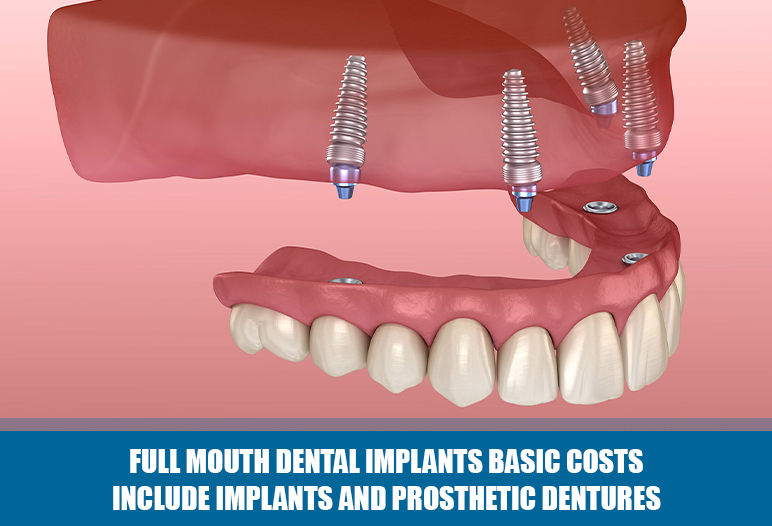
An All-on-4 restoration may be ideal for a patient with moderate bone volume who wants a fixed solution at a controlled cost. An All-on-6 treatment may provide additional support for patients with stronger bite forces.
Comparing these treatments based on price alone is similar to comparing different types of surgery solely by their cost. The better question is whether a particular solution is appropriate for your situation.
Why Can Two Patients Pay Very Different Prices for Full-Mouth Implants in Ho Chi Minh City?
One of the most common questions international patients ask when researching treatment in Ho Chi Minh City is: “Why does one clinic quote $4,000 per arch while another quotes $10,000 or more for what appears to be the same full-mouth implant treatment?”
The answer is that implant dentistry is rarely priced according to the number of missing teeth alone.
In reality, implant specialists in Ho Chi Minh City are not simply replacing teeth. They are rebuilding the biological foundation that supports those teeth — including the jawbone, gums, bite relationship, and facial structure that have changed over time following tooth loss.
For example, an Australian patient who lost teeth recently may still have sufficient bone volume to receive All-on-4 treatment immediately. Meanwhile, another patient who has worn removable dentures for 15 years may arrive in Vietnam with significant bone loss, requiring a completely different treatment approach.
Although both patients may be seeking full-mouth dental implants in Ho Chi Minh City, the complexity of their treatment can be dramatically different.
This is why experienced implant centers focus less on the number of missing teeth and more on the condition of the oral foundation that remains.
The factors that most commonly influence full-mouth dental implant cost in Vietnam include:
- Existing bone volume and density
- Implant system selected
- Type of final prosthetic restoration
- Surgical complexity
- Additional procedures such as extractions, bone grafting, or sinus augmentation
Ultimately, the goal is not simply to place implants. The goal is to create a stable, functional, and long-lasting foundation that allows patients to eat, speak, and smile comfortably for many years after returning home.
What Are You Actually Paying For?
One reason full mouth dental implant cost in Ho Chi Minh City can vary significantly between clinics is that patients are often comparing the visible result rather than the process required to achieve it.
Many people initially assume they are paying for a few titanium implants and a new set of teeth.
In reality, the visible teeth are only the final outcome of a much larger rehabilitation process.
A substantial portion of the investment goes toward diagnosis, treatment planning, surgical precision, restorative design, and long-term predictability.
Accurate Diagnosis Before Treatment Begins
Every successful full-mouth implant case in Vietnam begins with understanding what is happening beneath the surface.
Before recommending treatment, implant specialists typically perform CBCT imaging, digital intraoral scanning, bite analysis, and comprehensive treatment planning.
For international patients travelling to Ho Chi Minh City, this diagnostic phase is particularly important because it allows the clinical team to identify potential challenges before surgery begins.
The purpose is not simply to collect information.
It is to reduce uncertainty, improve safety, and minimize the risk of unexpected complications later in treatment.
Surgical Planning That Minimizes Guesswork
Modern implant surgery is no longer based solely on clinical experience and visual judgment.
Advanced implant centers in Ho Chi Minh City increasingly use digital treatment planning and guided surgical workflows to determine the ideal implant position before entering the operating room.
The angle, depth, and position of each implant will influence how the final restoration functions for years to come.
Careful planning often makes the difference between a restoration that merely looks good and one that remains stable, comfortable, and predictable long term.
Temporary Teeth During Healing
For many overseas patients visiting Vietnam, one concern often outweighs all others: “What happens after surgery?”
Most patients do not want to return to Australia, the United States, Canada, or Europe without teeth.
This is why temporary fixed teeth are often provided during the healing phase.
These restorations allow patients to leave Ho Chi Minh City with a functional smile, maintain social confidence, and continue daily activities while the implants integrate with the jawbone.
The Final Restoration
The final bridge is often the most visible part of treatment, but it is also one of the most technically demanding.
A well-designed full-arch restoration must do more than replace missing teeth.
It must withstand years of chewing forces, support facial structure, distribute pressure evenly, and function comfortably throughout daily life.
This is one reason why the quality of restorative materials and laboratory workmanship can significantly influence overall treatment cost.
Long-Term Support
Many patients focus heavily on the surgery itself and overlook what happens afterward.
However, long-term success depends on much more than implant placement.
Follow-up care, professional maintenance, bite adjustments, and ongoing monitoring all contribute to the longevity of the restoration.
For international patients, having a clear maintenance protocol and long-term support plan is often just as important as the initial treatment itself.
What Does Your Full-Mouth Dental Implant Cost Actually Cover?
When evaluating full-mouth dental implant cost in Ho Chi Minh City, Vietnam, it helps to understand that the investment covers an entire rehabilitation journey—not just the day of surgery.
From your initial consultation to the delivery of your final teeth, treatment typically takes place over two visits to Vietnam and several months of healing.
Phase 1: Planning Before You Travel to Ho Chi Minh City
Timeline: 1–2 weeks before arrival
Before booking flights, patients typically send:
- Dental photographs
- Panoramic X-rays
- CBCT scans (if available)
- Medical history information
During this stage, the implant team reviews your records and answers several important questions:
- Am I a candidate for All-on-4 or All-on-6?
- Will I need bone grafting?
- How many implants are required?
- What is the estimated treatment cost?
- How long will I need to stay in Vietnam?
This early planning process helps patients arrive in Ho Chi Minh City with a realistic understanding of both the treatment plan and financial commitment.
Phase 2: Diagnosis and Treatment Planning in Ho Chi Minh City
Day 1: Once you arrive in Ho Chi Minh City, a comprehensive diagnostic appointment is completed.
This usually includes:
- 3D CBCT imaging
- Digital intraoral scanning
- Clinical examination
- Bite analysis
- Final treatment planning
At this stage, the surgical team confirms the diagnosis and finalizes the treatment plan based on real clinical findings rather than estimates.
By the end of Day 1, patients typically have:
- A confirmed diagnosis
- A finalized treatment plan
- A detailed timeline for treatment
Phase 3: Full-Mouth Implant Surgery
Day 2–3: Implant placement is usually performed within the first few days after diagnostics are completed.
Depending on the patient’s condition, this stage may include:
- Tooth extractions
- Implant placement
- Bone grafting (if required)
- Sinus lift procedures (if required)
For many patients, this is the most important day of treatment because it establishes the foundation that will support the future restoration.
Phase 4: Temporary Fixed Teeth
Day 3–7″ One of the biggest advantages of modern full-mouth implant treatment is that patients do not have to wait months without teeth.
Within several days after surgery, temporary fixed teeth are often delivered.
At this point, patients can typically:
- Smile confidently
- Speak normally
- Attend social events
- Return home with a functional smile
For many international patients, this is the moment treatment begins to feel life-changing.
Phase 5: Healing and Implant Integration
3–6 Months: After returning home, the implants gradually bond with the jawbone through a biological process called osseointegration.
Although patients already have temporary teeth, important healing continues beneath the surface.
This healing phase is critical because long-term implant success depends on stable integration between the implant and surrounding bone.
During this period, patients can continue normal daily activities while maintaining regular communication with the implant team when necessary.
Phase 6: Final Zirconia Restoration
Second Visit to Ho Chi Minh City
Typical Stay: 5–7 Days: Once healing is complete, patients return to Vietnam for the final stage of treatment. This visit usually includes:
- Final digital impressions
- Bite adjustments
- Smile design refinements
- Delivery of the final zirconia bridge
Unlike temporary teeth, the final restoration is designed for long-term function, durability, and aesthetics.
This is the stage where patients receive their permanent full-arch restoration and complete their treatment journey.
Total Time Commitment for International Patients: Most full-mouth dental implant treatments in Ho Chi Minh City can be completed with:
First Visit: 7–10 days: Diagnostics, Surgery, Temporary teeth
Healing Period: 3–6 months: Implant integration
Second Visit: 5–7 days: Final zirconia restoration
In total, most international patients spend approximately 12–17 days in Ho Chi Minh City across two visits, while achieving a long-term fixed-teeth solution that can serve them comfortably for many years.
Factors Affecting Full Mouth Dental Implants Costs
Full mouth implants are a modern dental solution for extensive tooth loss, using 4 to 6 implants in the jawbone to replace missing teeth. This method improves chewing, speaking, and facial aesthetics.
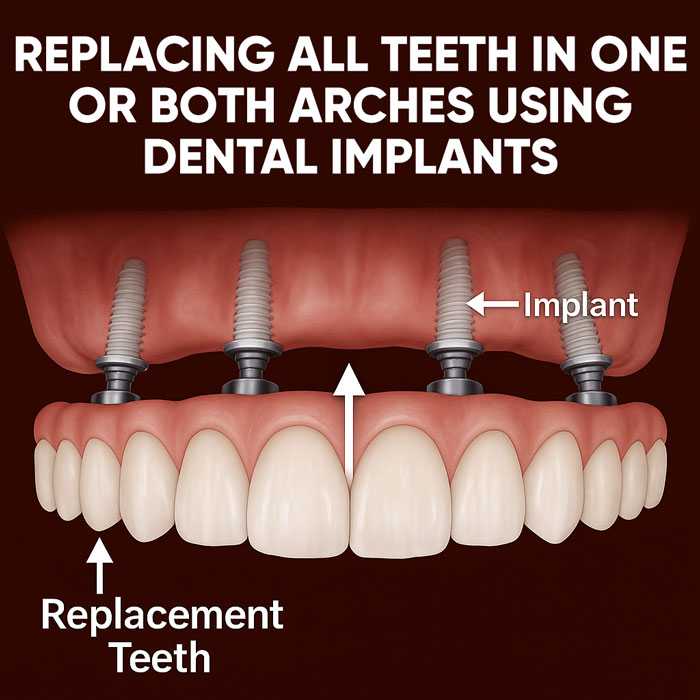
Compared to single-tooth implants, full mouth implants offer a stable and durable solution, potentially reducing overall costs. However, costs can vary based on several factors:
- Number of Implants Needed: Costs depend on how many implants are required. Typically, 4 to 6 implants are necessary, but more may be needed depending on bone condition.
- Type of Implants and Materials: Premium implants and materials cost more but offer better quality and durability.
- Type of Prosthetic Teeth: The cost varies with the type of dental ceramics used, such as composite, Zirconia, Lava Plus, etc.
- Pre-Implant Treatments: Additional treatments for bone or sinus issues can affect the total cost.
- Geographic Location: Costs can differ based on location. Urban areas and developed countries often have higher prices than rural areas or less developed countries.
In general, full-mouth dental implants are a lifetime investment and are reasonably priced at Saigon Dental Implants Center. The estimated total cost for a full mouth restoration typically starts from around $4000.
How to Balance Cost and Quality When Choosing a Dental Implant Clinic
How to Balance Cost and Quality When Choosing a DOne of the biggest mistakes patients make when researching full-mouth dental implants is comparing clinics based on price alone.
At first glance, it seems logical. If two clinics are offering the same treatment, why pay more?
The reality is that implant treatment is rarely that simple.
Two treatment plans may both be described as “All-on-4” or “full-mouth implants,” but what happens behind the scenes can be very different. The diagnostic process, the experience of the surgical team, the quality of the restorative materials, and the level of follow-up care all influence the final result.
This is why some patients focus less on finding the lowest quote and more on understanding exactly what they are paying for.
Ask What Is Included
A lower price does not necessarily mean lower quality, but it is important to understand what is included in the treatment fee.
For example, some clinics include CBCT scans, digital treatment planning, temporary teeth, follow-up visits, and final restorations within a single package. Others may charge separately for certain stages of treatment.
Before comparing costs, make sure you are comparing the same level of care.
Experience Matters in Complex Cases
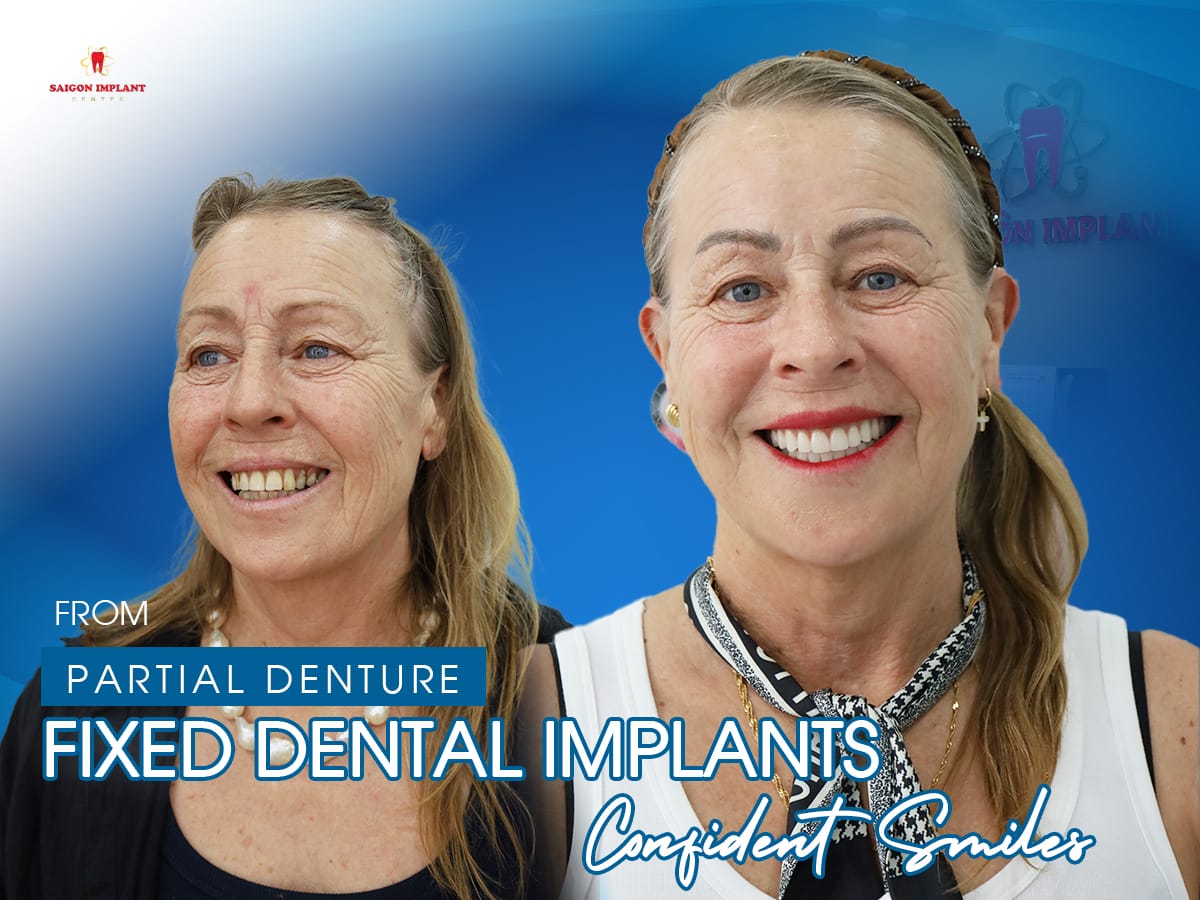
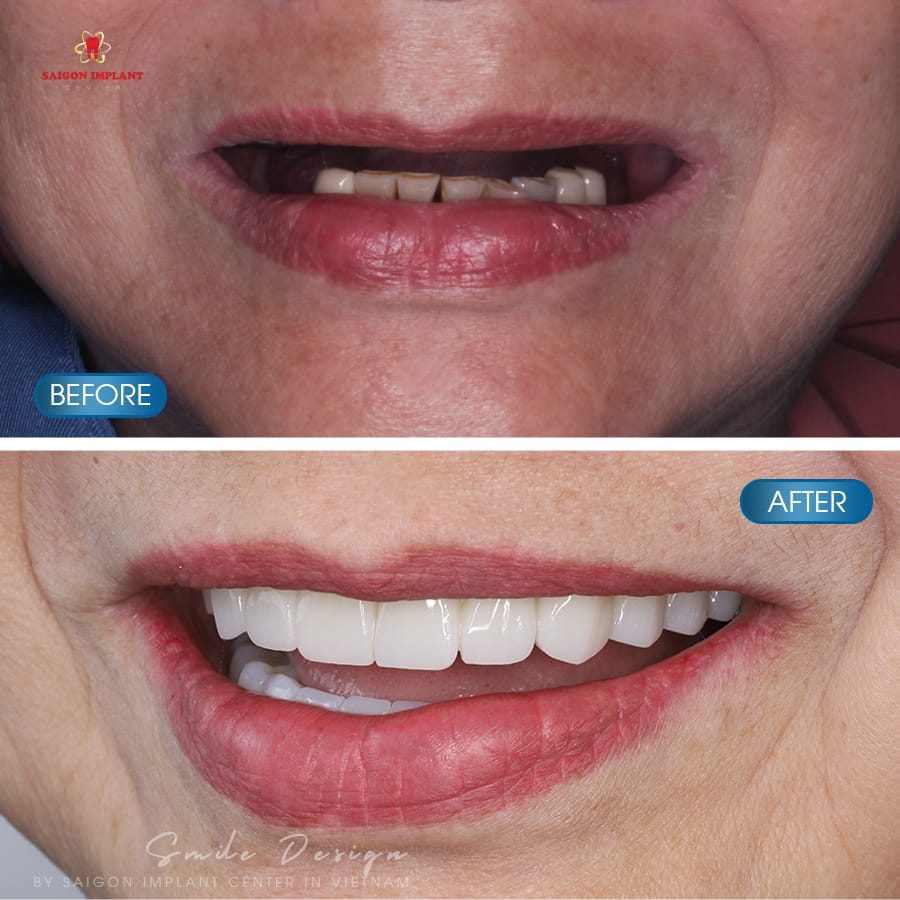
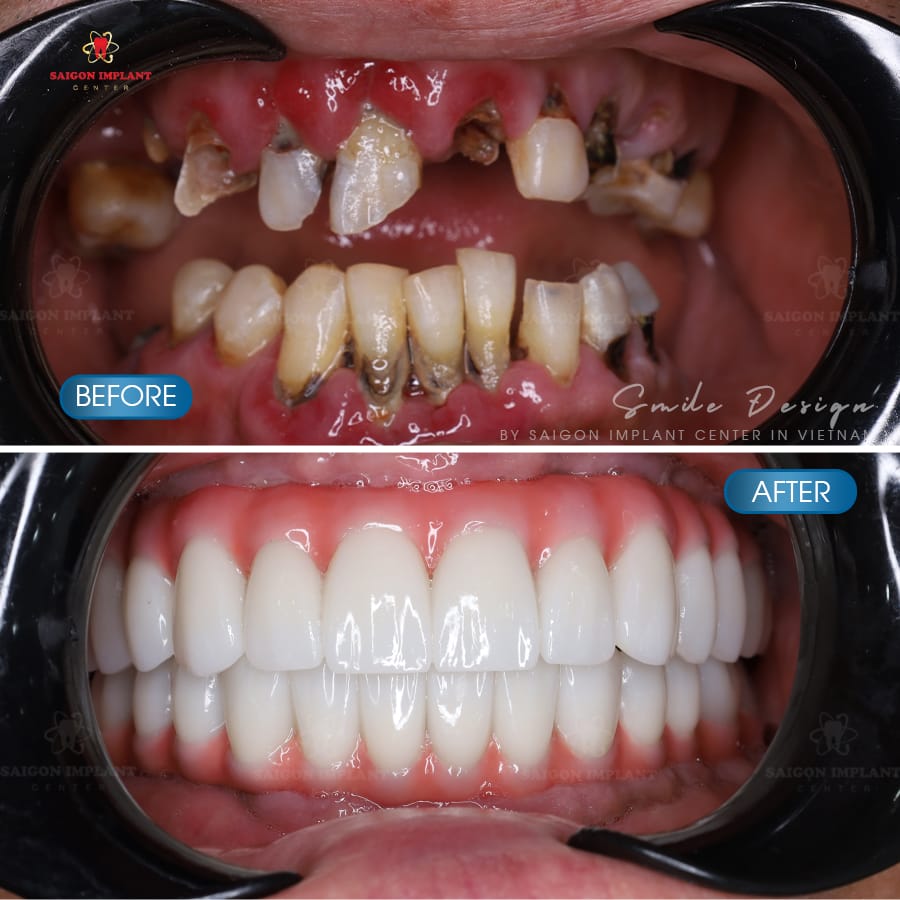
Full-mouth rehabilitation is one of the most demanding procedures in dentistry. Patients with severe bone loss, failing teeth, bite collapse, or long-term denture use often require a more customized approach. In these situations, the experience of the clinical team can have a significant impact on treatment planning and long-term stability.
Many patients are surprised to learn that the success of implant treatment depends on far more than the implant itself.
Think Long-Term, Not Just Today
A treatment plan that appears less expensive today may not always be the most economical option over the next decade.
Durability, maintenance requirements, comfort, and the likelihood of future complications are all part of the overall value equation.
When patients look back on their treatment years later, they rarely remember the exact amount they paid. What they remember is whether they can eat comfortably, smile confidently, and trust their teeth in everyday life.
Finding the Right Balance
The goal is not necessarily to find the cheapest clinic or the most expensive one.
The goal is to find a team that offers clear communication, transparent pricing, careful treatment planning, and a proven track record of treating cases similar to yours.
When cost and quality are balanced properly, patients often achieve something far more valuable than savings alone: long-term confidence that their investment was worth making.
80-year-old David Gregory – Australia and his journey to rediscover his smile
CUSTOMER REVIEW: ALL ON 6 IMPLANTS
Frequently asked questions
Healing time for full-mouth dental implants typically ranges from 3 to 6 months. This allows the implants to integrate with the jawbone before placing the final prosthetic teeth.
The procedure is usually performed under local anesthesia, and pain during the implant placement is minimal. Post-surgery discomfort can be managed with prescribed pain relief and typically lasts a few days.
To speed up healing, follow your dentist’s aftercare instructions, maintain good oral hygiene, avoid smoking, and stick to a soft-food diet during the initial recovery phase. Regular follow-ups are also important.
 Call
Call Booking
 Chat
Chat