

 Google Reviews
Content professionally reviewed by Dr. Nguyen Ngoc Tan
DDS, Dental Implants Specialist Trained in Brazil
After completing All-on-4 dental implant surgery, many patients ask the same question: “Do I really need a Zirconia Bridge, or can I keep my temporary teeth?” The answer can significantly affect how your smile looks, how comfortably you chew, and how long your full-mouth restoration lasts.
While temporary acrylic teeth are designed to support healing during the first few months after implant placement, a Zirconia Bridge All on 4 is engineered for long-term function. It offers greater strength, improved aesthetics, better stain resistance, and the durability needed for everyday eating and speaking.
For patients considering full-arch dental implants, understanding the difference between temporary and final restorations is just as important as choosing the implant system itself. In this guide, you’ll learn what a Zirconia Bridge All-on-4 is, when it’s placed, how it compares to temporary acrylic teeth, and whether it’s the right long-term solution for your smile.
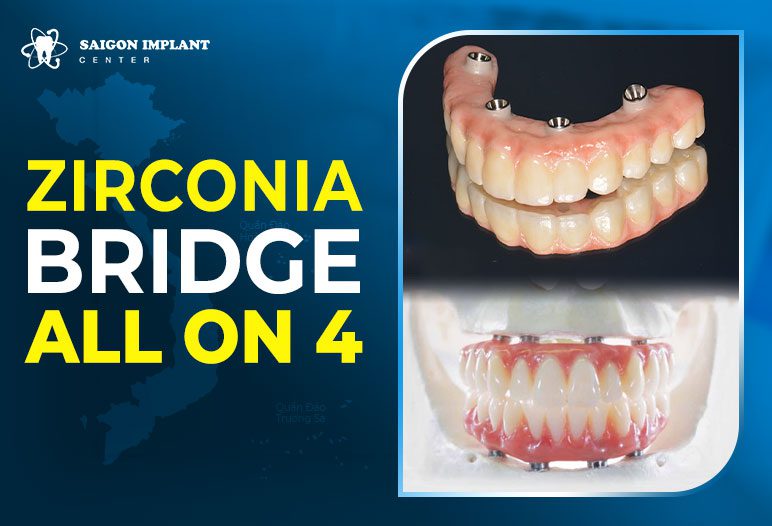
What Is a Zirconia Bridge All-on-4?
A Zirconia Bridge All on 4 is the final set of permanent teeth attached to dental implants after the healing phase has been successfully completed.
Unlike the temporary acrylic bridge worn immediately after surgery, a Zirconia bridge is designed to withstand years of daily chewing forces while maintaining its appearance and structural integrity. It is digitally designed, custom-milled, and securely attached to four strategically placed dental implants, creating a fixed full-arch restoration that looks and functions much like natural teeth.
For many patients, this is the moment treatment truly feels complete.
Chewing becomes easier. Speech feels more natural. Smiling becomes effortless. Rather than serving as a temporary replacement, a Zirconia bridge is designed to provide a long-term solution that restores both function and confidence.
Because Zirconia is exceptionally strong, highly wear-resistant, and naturally aesthetic, it has become one of the most trusted materials for permanent full-arch dental implant restorations worldwide.
Why Do Most Patients Upgrade From Temporary Teeth?
One of the most common questions after implant surgery is: “If my temporary bridge already works, why should I replace it?”
The answer is simple: temporary teeth and final teeth are designed for completely different purposes.
A temporary acrylic bridge is intended to protect newly placed implants during healing. It allows patients to smile, speak, and eat soft foods while the implants integrate with the jawbone.
A Zirconia Bridge All-on-4 serves a completely different role. It is designed to provide long-term chewing strength, improved bite stability, superior aesthetics, and greater protection for the underlying implants.
Think of temporary teeth as part of the healing process.
Think of Zirconia as the final destination.
For patients investing in full-mouth dental implants, upgrading to a permanent Zirconia bridge is not simply a cosmetic enhancement. It is often the final step in protecting the long-term success of their implant treatment.

When Is It Time to Receive Your Final Zirconia Bridge?
One of the biggest misconceptions about All-on-4 treatment is that patients receive their permanent Zirconia teeth on the day of surgery.
In reality, successful implant treatment occurs in stages.
Stage 1: Implant Placement and Temporary Teeth
During surgery, four dental implants are placed into the jawbone to replace missing tooth roots.
On the same day, a temporary acrylic bridge is attached so patients can leave the clinic with a functional smile.
This temporary bridge allows patients to:
- Smile confidently
- Speak normally
- Eat a modified soft diet
- Protect healing implants
Stage 2: Healing and Osseointegration
Over the next four to six months, the implants gradually fuse with the surrounding bone through a biological process known as osseointegration.
This phase is critical because it creates the strong foundation needed to support a permanent full-arch restoration.
During this period, minor changes in gum shape and tissue contours naturally occur as healing progresses.
Stage 3: Delivery of the Final Zirconia Bridge
Once healing is complete, the restorative phase begins.
Your dental team will:
- Evaluate implant stability
- Assess gum health
- Perform a digital intraoral scan
- Design your final smile digitally
- Fabricate the bridge using CAD/CAM technology
- Securely attach the final restoration
This is the stage where temporary teeth are replaced with your long-term Zirconia bridge.

Why Can’t a Zirconia Bridge Be Placed Immediately?
Many patients wonder why they must wait several months before receiving their final Zirconia restoration.
The reason is biological, not technical.
Following implant surgery, both bone and soft tissue continue to remodel and heal. If a permanent Zirconia bridge were fabricated immediately, changes in gum shape during healing could compromise the final fit and appearance.
The temporary bridge acts as a protective restoration during this critical period.
It allows the implants to heal undisturbed while giving your dentist valuable information about your bite, smile design, speech patterns, and facial support.
By waiting until healing is complete, the final Zirconia bridge can be fabricated with significantly greater precision, comfort, and long-term predictability.
Types of Zirconia Bridge All-on-4
Not all Zirconia restorations are manufactured in the same way.
Today, the two most common full-arch Zirconia solutions are:
Zirconia Bridge with Titanium Framework
This design combines a custom-milled titanium bar with a Zirconia restoration.
The titanium framework provides structural reinforcement, while the Zirconia layer delivers natural aesthetics.
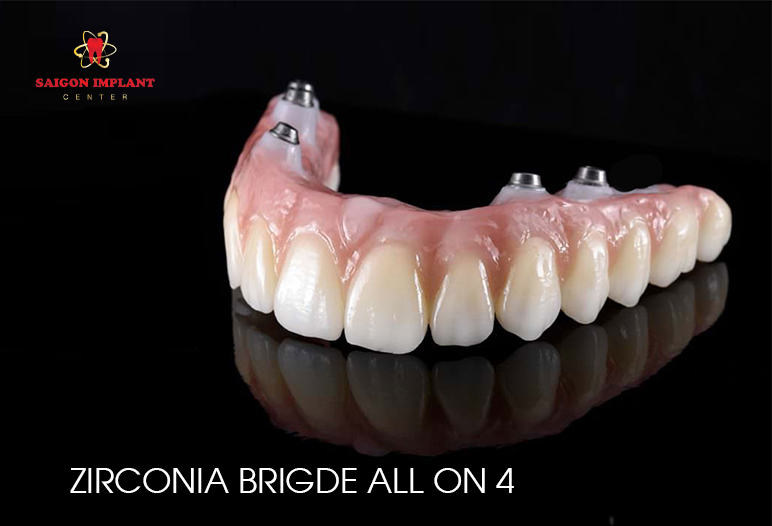
Benefits include:
- Excellent long-term durability
- Proven clinical track record
- Strong support for full-arch restorations
- More cost-effective than full solid Zirconia
For many patients, this option offers the best balance between strength, longevity, and value.
Full Solid Zirconia Bridge
A Full Solid Zirconia Bridge is milled entirely from Zirconia without an internal metal framework. Its primary advantage is aesthetics. Because there is no titanium substructure, the restoration can achieve a more natural translucency and lifelike appearance.
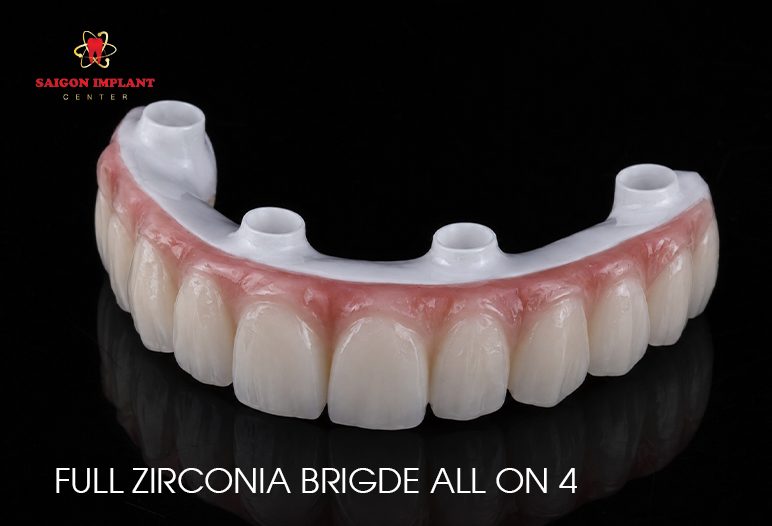
Benefits include:
- Outstanding aesthetics
- Natural light transmission
- Exceptional stain resistance
- Highly precise digital manufacturing
Patients seeking the most natural-looking smile often prefer this option.
Which Option Is Better?
There is no universal answer.
Patients who prioritize long-term durability, proven performance, and value often choose a titanium-supported Zirconia bridge.
Patients focused on achieving the highest level of aesthetics may prefer Full Solid Zirconia.
The ideal solution depends on implant position, bite forces, smile design goals, and individual budget considerations.
The Top Benefits of a Zirconia Bridge All-on-4
After months of healing, patients want to know one thing:
Will my final teeth actually be worth the wait?
For most full-arch implant patients, the answer is yes.
The popularity of Zirconia continues to grow because it addresses the three concerns patients care about most: strength, appearance, and long-term durability.
1. Stronger Chewing Performance
One of the biggest life-changing benefits is the ability to enjoy food without constantly worrying about your teeth.
Zirconia is one of the strongest materials used in modern dentistry and can tolerate significant chewing forces.
Many patients regain the confidence to enjoy foods such as:
- Steak
- Apples
- Nuts
- Crusty bread
- Fresh vegetables
Compared with acrylic restorations, Zirconia provides greater stability and resistance to long-term wear.
2. Natural-Looking Aesthetics
A beautiful smile is about much more than white teeth.
Modern Zirconia restorations can be customized with natural shading, translucency, and contouring to complement a patient’s facial features.
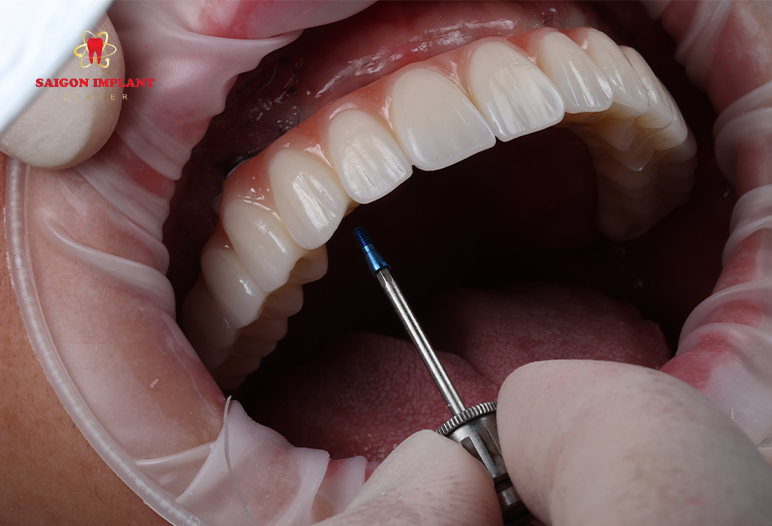
Benefits include:
- Natural-looking tooth anatomy
- Customized smile design
- No dark metal margins
- Improved facial support for lips and cheeks
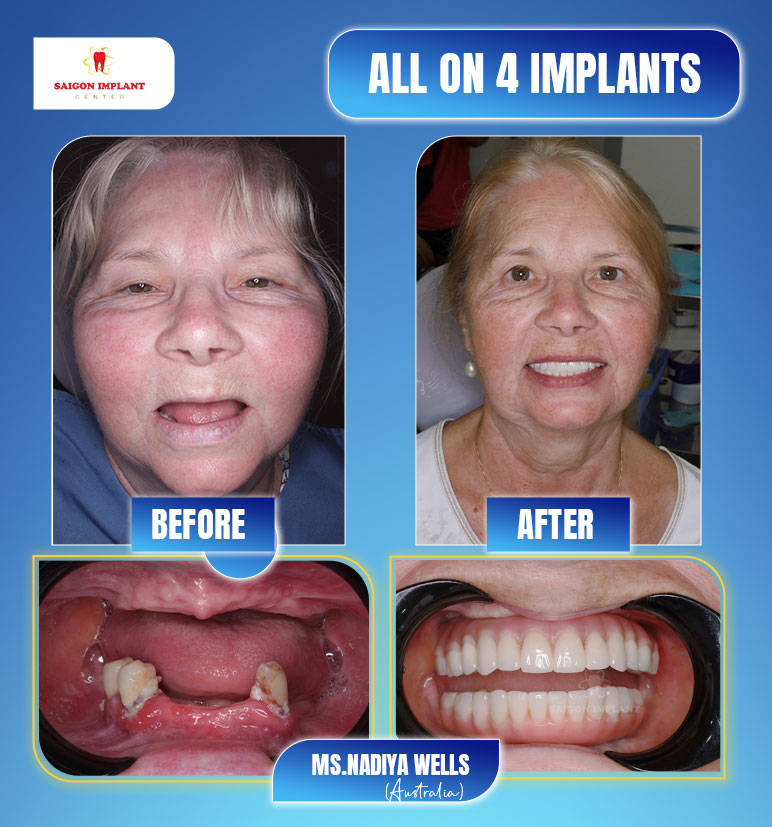
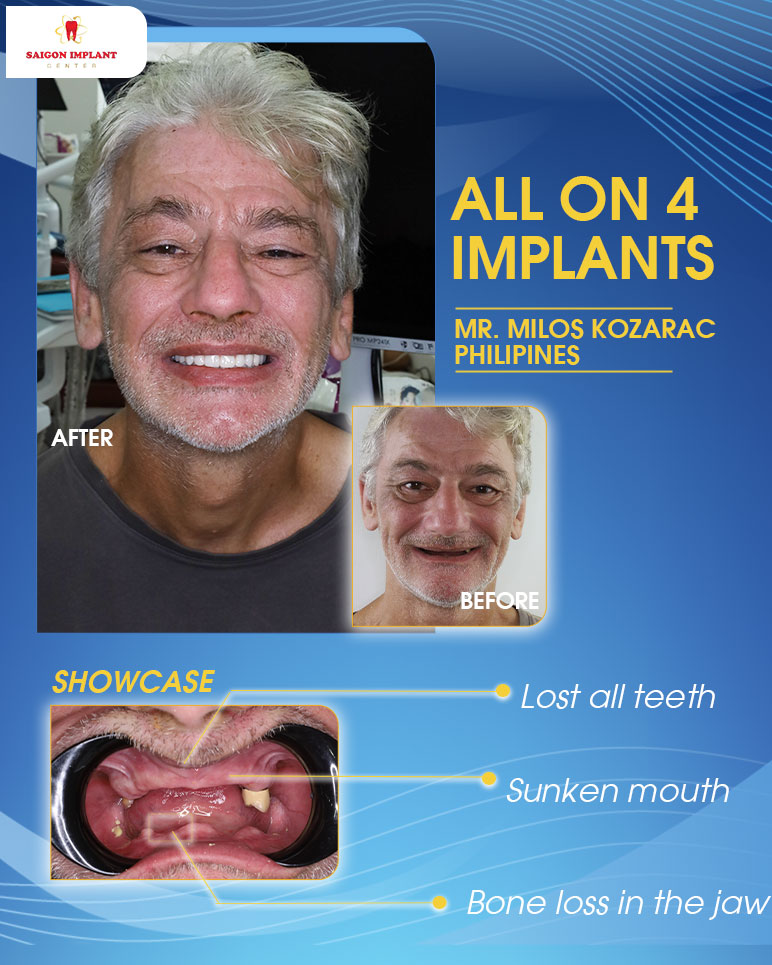
The result is a smile that looks healthy, balanced, and appropriate rather than artificial.
3. Exceptional Long-Term Durability
For international patients, longevity matters.
Most people want a solution that minimizes future repairs and maintenance.
Zirconia offers:
- Outstanding wear resistance
- Excellent stain resistance
- Minimal color changes over time
- Long-term structural stability
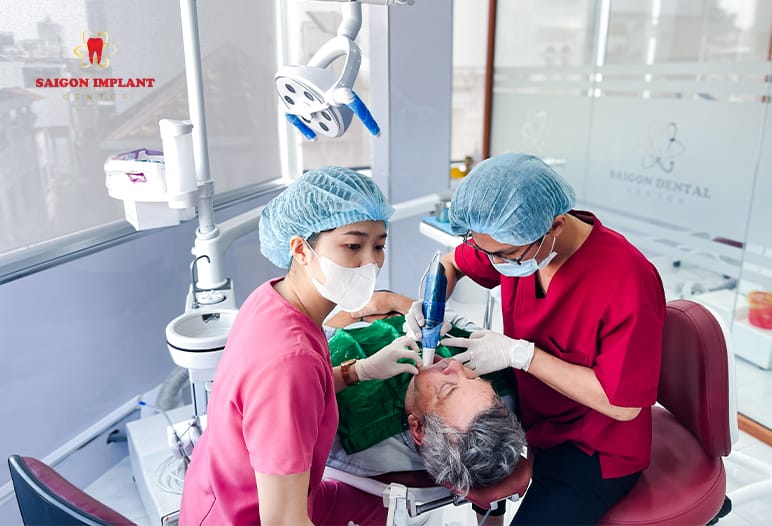
With proper maintenance and regular professional care, a Zirconia Bridge All-on-4 can often provide reliable function for 15 to 20 years or longer.
Additionally, while zirconia is incredibly durable, it is not entirely impervious to wear and tear. Over time, the forces exerted during chewing can cause minor abrasions or changes in shape. Regular dental check-ups are essential to monitor their condition and ensure longevity.
Finally, while zirconia bridges provide excellent aesthetics, they may not always be suitable for every patient. Factors such as bone density and overall oral health can affect the success of the bridge installation. Consulting with a knowledgeable dentist is crucial to determine if zirconia bridges are the right option for you.
Are There Any Limitations to a Zirconia Bridge All-on-4?
While Zirconia is widely regarded as one of the best materials available for full-arch implant restorations, no dental solution is completely perfect.
Understanding both the advantages and limitations helps patients make informed decisions and set realistic expectations.
Higher Initial Investment
Compared to acrylic restorations, Zirconia requires more advanced materials, sophisticated digital manufacturing, and greater laboratory expertise.
As a result, the initial cost is higher.
However, many patients view this as a long-term investment because Zirconia typically requires fewer repairs, experiences less wear, and maintains its appearance for significantly longer.
More Complex Repairs
Although Zirconia is highly resistant to fracture, repairs can be more complex if damage does occur.
Unlike acrylic teeth, which can often be repaired directly, Zirconia restorations may require laboratory fabrication depending on the nature of the problem.
Fortunately, major complications are uncommon when the bridge is properly designed and maintained.
Not Every Patient Requires Zirconia
For some patients, a reinforced acrylic restoration may still provide excellent function and aesthetics.
The most appropriate restoration depends on:
- Bite force
- Implant position
- Oral habits
- Aesthetic expectations
- Budget considerations
A thorough consultation and digital treatment planning process can help determine the most suitable option.
Zirconia Bridge All-on-4 vs Temporary Acrylic Teeth
One of the most common misconceptions is that temporary teeth and permanent teeth perform the same function.
While they may appear similar at first glance, they are designed for completely different stages of treatment.
Temporary Acrylic Teeth
Temporary teeth are designed to support healing.
Their primary purpose is to:
- Protect newly placed implants
- Allow basic chewing function
- Support speech and appearance during recovery
- Guide soft tissue healing
Most temporary restorations are intended to be worn for approximately four to six months.
Zirconia Bridge All-on-4
A Zirconia Bridge is designed for long-term daily function. Its purpose is to:
- Restore full chewing ability
- Maintain bite stability
- Protect implants from uneven force distribution
- Provide long-lasting aesthetics
- Resist wear and staining
For most patients, the difference becomes increasingly noticeable over time.
As temporary acrylic teeth gradually wear down, Zirconia maintains its shape, strength, and appearance far more effectively.
Comparison: Permanent Zirconia vs. Temporary Acrylic
| Feature | Zirconia Bridge All-on-4 | Plastic Temporary Teeth |
| Primary Purpose | Long-term lifestyle restoration | Protection during active healing |
| Recommended Lifespan | 15–20 years or a lifetime | 4–6 months |
| Chewing Strength | Exceptionally high (Like natural teeth) | Moderate (Requires soft diet) |
| Bite Stability | Permanent and unyielding | Temporary (Plastic flexes) |
| Wear Resistance | Outstanding (Does not abrade) | Limited (Wears down quickly) |
| Stain Resistance | Superior (Non-porous ceramic) | Porous (Absorbs colors/odors) |
| Risk of Fracture | Extremely low | Higher under heavy chewing |
| Overall Experience | Feels exactly like real teeth | Feels like a transitional phase |
Why You Can’t Keep Your Temporary Teeth Forever
Temporary plastic teeth are only designed to last 4 to 6 months while your all on 4 dental implant posts fuse with your jawbone. Leaving them in for years creates real risks for your health and your financial investment:
- A Flattened Bite: Because plastic is soft, daily chewing quickly grinds the teeth down. This flattens your bite, changes your jaw alignment, and makes chewing food harder.
- Implant Stress: As plastic teeth wear down unevenly, your bite forces stop distributing equally. This puts dangerous, uneven pressure on the underlying full arch dental implant posts, risking long-term failure.
- Staining and Hygiene Issues: Unlike non-porous Zirconia, plastic acts like a sponge. Over time, it absorbs stains from coffee, tea, and food, turning yellow and retaining unpleasant mouth odors despite regular brushing.
Upgrading to a permanent Zirconia bridge isn’t a cosmetic luxury. It is a vital structural investment that protects your all on 4 dental implant investment, restores your natural chewing freedom, and guarantees a lifetime smile with zero maintenance hassle.
How Much Does a Zirconia Bridge All on 4 Cost?
Compared to a temporary acrylic bridge, a Zirconia Bridge All-on-4 requires a higher investment. However, many patients view it as the final stage of their full-mouth implant treatment rather than an optional upgrade.
The cost typically varies depending on:
- The type of Zirconia restoration selected.
- The complexity of the case.
- The experience of the restorative team and dental laboratory.
In countries such as the United States, Australia, Canada, and the UK, a full-arch Zirconia Bridge often ranges from $15,000 to $35,000 per arch.
Why Many Patients Choose Vietnam for Full-Arch Implant Treatment
Vietnam has become an increasingly popular destination for dental tourism because patients can often access advanced implant treatment at a significantly lower cost compared to their home countries.
However, cost alone should never be the deciding factor.
When evaluating treatment options abroad, patients should also consider:
- Clinical experience
- Implant systems used
- Digital technology
- Prosthetic quality
- Follow-up support
- Long-term treatment planning
The success of a Zirconia Bridge depends not only on the material itself but also on the quality of planning, surgery, and restoration.
Zirconia Bridge Cost at Saigon Implant Center
At Saigon Implant Center, full-arch implant treatment is designed to provide patients with a balance of affordability, quality, and long-term predictability.
Patients benefit from:
- Advanced digital smile planning
- Internationally recognized implant systems
- CAD/CAM Zirconia restorations
- Comprehensive full-arch rehabilitation protocols
- Dedicated support for international patients
Most importantly, treatment is focused on delivering a long-term functional solution rather than simply replacing missing teeth. A successful Zirconia Bridge should help patients eat comfortably, smile confidently, and enjoy reliable function for many years.
| TREATMENT | PRICE IN USD | NOTE |
| All-on-4 Dentium (Incl. Implants + Reinforced Provisional) | $3,800 | per arch |
| All-on-4 Straumann Neodent (Incl. Implants + Reinforced Provisional) | $5,000 | per arch |
| All-on-4 Nobel / Straumann SLA Active (Incl. Implants + Reinforced Provisional) | $6,600 | per arch |
| Titanium bar + Premium acrylic teeth + Abutment | $1,400 | per arch |
| Titanium bar + Full-Zirconia CAD/CAM teeth + Abutment | $4,000 | per arch |
| SAIGON IMPLANT CENTER offers a bonus combo valued up to 400 for clients who decide to proceed with full-arch implants |
|
|

Conclusion
Investing in a zirconia bridge all on 4 represents a powerful solution for individuals seeking a reliable and aesthetically pleasing way to reclaim their smiles. By understanding the unique properties of zirconia, the benefits of the All on 4 technique, and the importance of proper care, you can embark on a journey toward enhanced dental health and renewed confidence. Consult with a qualified dental professional to discuss your options and embark on your path to a radiant, functional smile.
FAQ
What does a Zirconia Bridge All-on-4 feel like?
Most patients adapt within 1–2 weeks. Compared to a temporary acrylic bridge or removable dentures, a Zirconia Bridge feels more stable and secure when chewing and speaking. Some patients may notice a slightly different sound when their teeth touch because Zirconia is denser than natural teeth, but this sensation usually becomes unnoticeable over time.
How do you clean a Zirconia Bridge All-on-4?
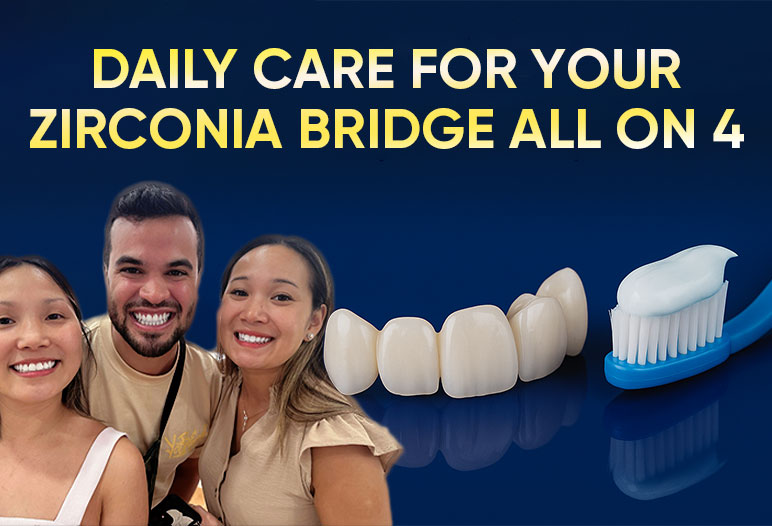
A Zirconia Bridge should be brushed at least twice daily and cleaned underneath using a water flosser or implant-specific cleaning tools. Regular check-ups every 6 months are also recommended to help maintain healthy implants and gums.
Is a Zirconia Bridge All-on-4 covered by a warranty?
Most reputable implant centers provide warranties for both the implant system and the Zirconia restoration. Coverage periods and conditions vary by clinic, so patients should review the warranty policy carefully before treatment.
 Call
Call Booking
 Chat
Chat