


 Google Reviews
How do you regain a strong, fully functional smile when your upper jawbone has completely wasted away? The answer lies in a revolutionary technique known as zygoma implants. Instead of spending grueling months waiting for artificial bone particles to heal, this method anchors directly into the zygomatic bone—an area that never shrinks or degrades over time. It stands as the ultimate lifeline for patients facing severe upper jaw bone loss, delivering a fixed smile with immediate function without bone grafting, so you can confidently reclaim your quality of life in a single day.
What is Zygoma Implants?
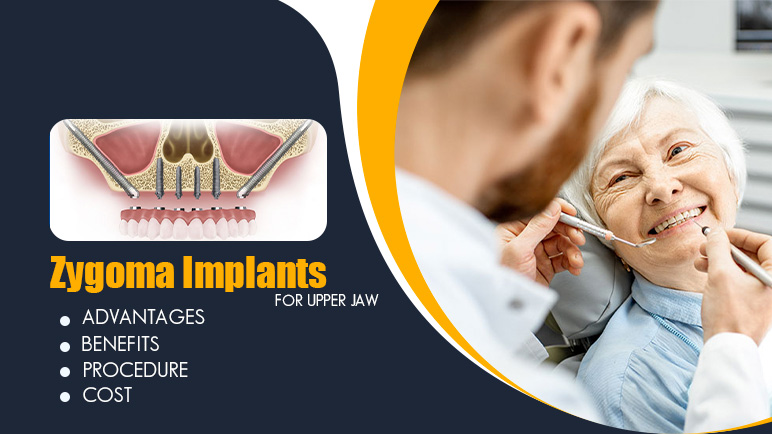
To put it simply, zygomatic implants (or zygomatic dental implants, long implant) are specialized alternatives to traditional dental implants designed specifically for severe cases. Zygoma implant is a dental procedure used to implant teeth for individuals who have lost their teeth in the zygomatic bone area (zygoma bone). This method is typically applied in cases of severe tooth loss and insufficient jawbone for conventional tooth implantation.
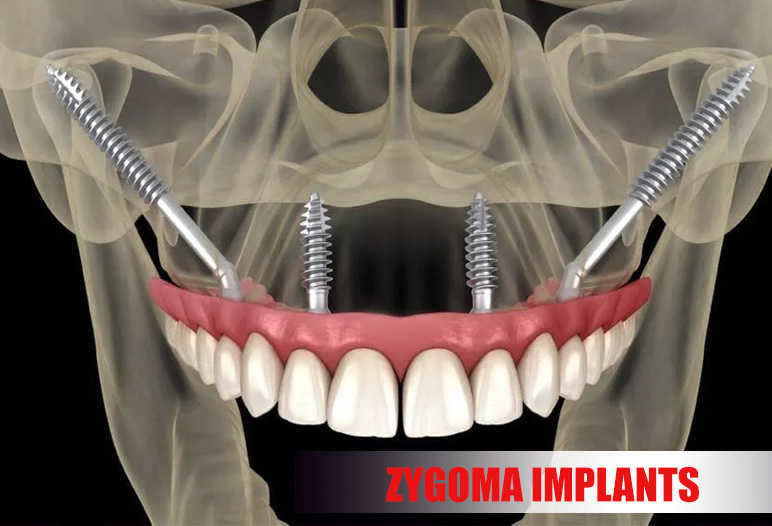
Instead of directly inserting into the jawbone, the Zygoma Implant technique utilizes 2 to 4 implants supporting partial or full denture restoration for all missing teeth.
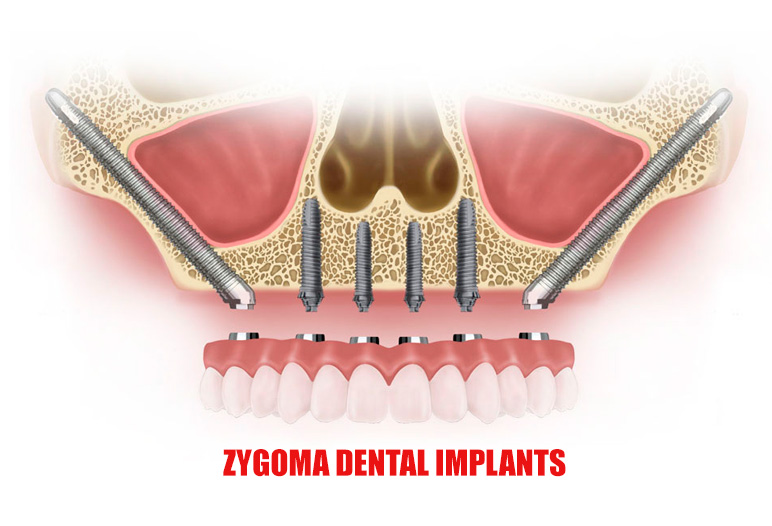
Zygoma implant with elongated and angulated shapes based on the position of the missing teeth to be placed in the zygomatic bone region, creating a solid foundation to support the entire upper denture.
What Makes Zygoma Implants Different from Traditional Dental Implants?
Traditional Implants: Think of this like planting a tree in the soil. A surgeon places a small titanium screw (usually 10mm to 15mm long) directly into the jawbone where you lost your teeth. If that “soil” (the jawbone) has resorbed or thinned out, the tree cannot stand securely.
Zygoma Implants: This technique bypasses the missing or severely resorbed upper jawbone entirely. Instead, the surgeon uses extra-long, specialized implants (ranging from 30mm to 60mm) that anchor securely into the dense, stable zygomatic bone.
How Zygomatic Implants Work
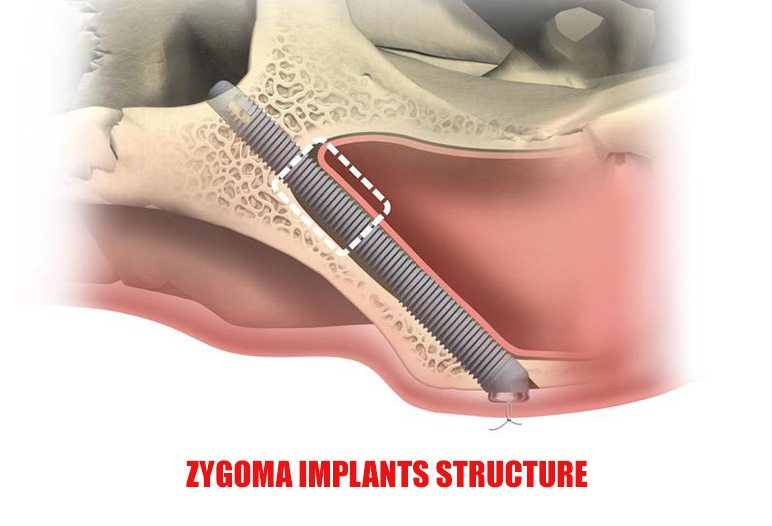
Zygoma implants are inserted at a precise angle from inside the upper arch of the mouth, threading past or next to the maxillary sinus cavity to tap into the cheekbone. This smart, angled design allows the surgical team to maximize bone contact and utilize the strongest skeletal foundations of your face without disturbing sensitive anatomical structures.
Long implant placement is a highly specialized maxillofacial procedure that demands elite surgical precision. It must be performed exclusively by an Oral and Maxillofacial Surgeon or a Master of Dentistry who holds specialized, advanced certification in Zygomatic Implantology.
To ensure your safety and success, your surgeon should possess international clinical experience, ideally from world-leading training centers. Furthermore, the procedure must be conducted in a strictly sterile, positive-pressure operating theater. This clinical environment is critical to minimizing infection risk and protecting your sinus cavities and facial nerve pathways throughout the entire operation.
Why the Zygomatic Bone Is the Ultimate “Anchor”
The cheekbone is an incredible structural foundation. Unlike the jawbone, which naturally shrinks and resorbs after tooth loss, the zygomatic bone maintains its volume, density, and strength throughout your life, regardless of age. Because it is a highly stable cortical bone, it provides exceptional implant support, easily handling heavy biting forces and securing a full arch dental implants restoration seamlessly.
Who Is a Candidate for Zygoma Implants?
This advanced technique is not meant for replacing a single missing tooth. Instead, it is the premier solution for full-mouth restorations in patients facing complex oral challenges:
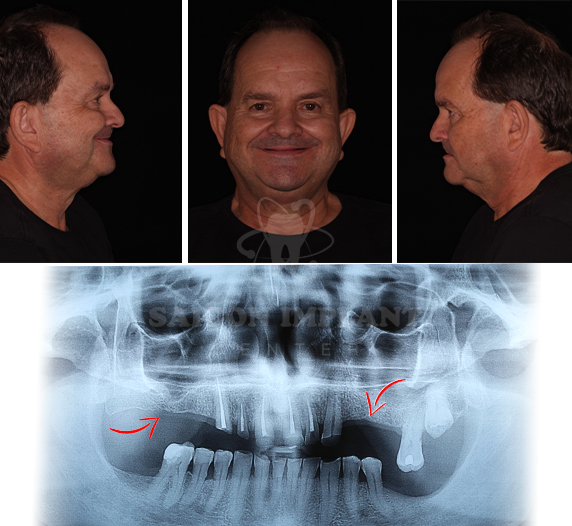
- Patients with Severe Upper Jaw Bone Loss: Individuals who lost teeth years ago and have experienced extreme severe maxillary atrophy, leaving the upper jaw paper-thin (a condition known as an atrophic maxilla).
- Patients Rejected for Traditional Options: If you were told that your bone density is too weak for a standard All-on-4 procedure, zygoma implants offer the perfect all-on-4 alternative.
- Failed Bone Graft Cases: Patients who spent months and thousands of dollars on sinus lifts and bone grafts, only for the body to reject the graft or fail to integrate.
- Failed All-on-4 Restorations: Rare cases where previous traditional implants in an All-on-4 bridge failed due to localized bone loss in the back of the jaw.
- Patients Looking for Immediate Teeth: People who cannot afford to wait 6 to 12 months with a missing smile. Because they lock into the ultra-dense cheekbone, these implants allow for immediate loading—meaning you get functional teeth on the exact same day as your surgery.
The best implant solution is not always the most complex one. While long implants and Zygoma implants can be life-changing for patients with severe bone loss, the right treatment depends entirely on your individual condition. A comprehensive consultation with an experienced implant specialist, combined with a 3D CBCT scan, allows for a precise evaluation of bone volume, bone density, sinus anatomy, and overall oral health. Based on these findings, your dentist can recommend the most predictable and conservative treatment option for long-term success.
Common Treatment Configurations with Zygoma Implants
Depending on exactly where your bone has resorbed, your surgeon will design a customized layout to guarantee maximum safety and cost-efficiency:
Hybrid Solution (2 Zygoma + 2 Traditional Implants)
If you have severe bone loss in the back (posterior) areas of your jaw, but still have decent bone volume near your front teeth (anterior), the surgeon will place two standard implants in the front and two zygoma implants in the back to create a solid, rock-stable bridge framework.
Quad Zygoma Solution (4 Zygoma Implants)
This configuration is engineered for “absolute bone loss,” where the upper jawbone has completely thinned out from front to back. The quad zygoma implants approach utilizes four extra-long implants—two on the left cheekbone and two on the right—to support an entire upper bridge without touching the jawbone at all.
Zygoma + Pterygoid Implants
In certain unique anatomical variations, a specialist may combine a zygoma implant with pterygoid implants (specialized implants anchored into the pterygoid process at the very back edge of the upper jaw profile). This functions as an excellent, highly stable sinus lift alternative.
Comparison between Zygoma Implants and Conventional Implants
Zygoma Implant fixtures and conventional implants are two different dental implantation methods. The specific application varies from case to case. The following is a comparison between the two methods:
| Criteria for Comparison | Zygoma Implant | Regular Implant |
| Placement Location | Inserted into the zygomatic bone of the facial region. | Inserted into the upper or lower jawbone, within the gaps caused by tooth loss. |
| Scope of Use | Applicable in most severe upper jaw tooth loss cases, even with limited jawbone remaining. | Suitable for partial or complete tooth loss cases with enough jawbone support for implants. |
| Procedure Complexity | Complex requires high-level expertise and is often performed under general anesthesia. | Simpler than Zygoma Implant, usually carried out under local or pre-medication anesthesia. |
| Support for Artificial Teeth | Immediate restoration with temporary fixed dentures, providing patients with new teeth right after surgery. | Restoration with artificial teeth after 3 – 6 months, waiting for integration of implants with the jawbone. |
| Treatment Time | On average, it takes around 3 – 4 hours to complete full upper jaw implantation. | On average, it takes around 3 – 7 minutes to perform a single conventional implantation. |
| Cost | Approximately $13,000 USD per upper jaw. | From $4000 USD /arch |
The Step-by-Step Zygoma Implant Procedure
To give you peace of mind, here is exactly what your clinical journey looks like. Every stage is highly organized, digitalized, and gentle:
Zygoma Implantation is a complex and challenging dental implant technique. This method requires highly skilled and experienced dentists to perform.
Besides, at specialized Implant clinics, the Zygoma Implantation process follows a systematic and stringent safety standard. Typically, a Zygoma Implant treatment for a patient with missing upper jaw teeth involves the following steps:
Step 1: Examination and Diagnosis
care begins with a high-definition Cone Beam Computed Tomography (CBCT) scan. This 3D imaging allows the doctor to inspect your cheekbone density, map out your sinuses, and identify critical nerve pathways for absolute safety.

Step 2: Digital Treatment Planning
The surgeon inputs your 3D digital data into advanced planning software to precisely simulate the angle, depth, and placement of each zygoma implant before you ever enter the operating room.
Step 3: Comprehensive Health Screening &Surgery Day
Your safety and peace of mind are absolute priorities. Before entering the operating room, our medical team conducts a thorough pre-surgical health screening—including blood pressure monitoring, cardiac assessments, comprehensive blood work, and glucose level checks—to ensure you are in optimal health for the procedure.
Once your health parameters are confirmed as perfectly safe and stable, you will be brought into the operating theater. The surgery is performed under deep IV sedation or general anesthesia, allowing you to drift into a peaceful sleep. You will remain completely unaware of the clinical process, experiencing zero pain, discomfort, or stress throughout the entire appointment.
Step 4:Same-Day Immediate Teeth Placement
While you wake up comfortably in recovery, a specialized lab technician finalizes your custom-made temporary bridge. Within a few hours of surgery, this beautiful bridge is securely screwed onto your implants. You leave the clinic with a secure, non-removable smile.
Step 5: Final Restoration
Over the next 4 to 6 months, your cheekbones undergo osseointegration, permanently fusing with the titanium implants. Once fully healed, you return to exchange the temporary bridge for your permanent, lightweight, ultra-durable final prosthesis (crafted from beautiful Zirconia or CAD/CAM).
Treatment Plan for Full Upper Jaw Tooth Loss
According to Dr. Joan Pi-Urgell (2010), patients with complete upper jaw tooth loss can undergo Zygoma Implantation in one of the following two scenarios:
Scenario 1: If the upper jaw exhibits mild to moderate bone loss in the front teeth area and severe bone loss in the posterior teeth area, the recommended approach is to place 2 or 4 conventional implants in the front teeth area and 2 Zygoma Implants in the posterior teeth area (1 Zygoma Implant per side).
Scenario 2: If the upper jaw experiences significant bone loss in both the front and posterior teeth areas, there are two options:
- Option 1: Place 2 Zygoma Implants in the posterior teeth area and graft bone in the front teeth area to accommodate additional conventional implants.
- Option 2: Place 4 Zygoma Implants (2 Zygoma Implants per side) without the need for additional conventional implants in the front teeth area.
What Does the Recovery Journey Look Like?
While zygomatic surgery is an advanced dental technique, the healing timeline is incredibly manageable because there are no bone harvesting wounds. Here is the typical timeline:
The First 24 Hours: You will notice minor swelling around your cheeks and some light oozing at the gum line. Any discomfort is easily managed with prescribed or over-the-counter pain medications. Rest with your head elevated and apply ice packs to your cheeks in 20-minute intervals.
The First Week: Swelling and light bruising around the cheeks (which sometimes travels below the eyes) usually peaks around Day 3 or 4 before gradually fading away. During this time, stick to a liquid or ultra-soft diet (smoothies, yogurts, broths, pureed soups) to protect the newly placed implants.
The First Month: By Day 10 to 14, all external bruising disappears, and you can comfortably return to your normal work and social routines. Your facial muscles will adapt quickly to the new bridge, making speech clear and natural. You can transition to soft foods that easily cut with a fork (pasta, soft fish, scrambled eggs).
Long-Term Healing (Months 3 to 6): The internal bone architecture completes its permanent bonding phase during this time. You will experience no daily pain or awareness of the implants. Once verified by your surgeon, you are cleared to return to your normal diet and receive your permanent teeth.
The Life-Changing Benefits of Zygoma Implants
Do not focus solely on the technical complexity or initial price of the procedure; look at the immense quality of life you receive in return. Zygoma implants do not just fix your teeth—they hand you back your self-confidence, your youth, and the joy of eating.
- Immediate Smile and Function: Skip the embarrassment of going months without teeth or dealing with a shifting temporary denture. You can smile, talk, and eat soft foods immediately.
- Zero Bone Grafting Required: By avoiding extensive bone grafts, you radically minimize surgical risks, cut down on overall healing downtime, and protect your body from extra surgical sites.
- Reverses Facial Structural Aging: By anchoring a permanent bridge at the correct anatomical position, zygoma implants restore missing volume to the mid-face. This lifts sunken cheeks and smooths out premature wrinkles caused by severe jaw collapse.
- Time-Tested Stability: Backed by over 30 years of global clinical studies, zygoma implants possess exceptionally reliable long-term survival rates that match or exceed those of standard implants when properly cared for.
How much do Zygomatic Dental Implants Cost?
Generally, the average cost of a Zygoma implant can range from around 8,000 USD to 30,000 USD per arch. This price typically includes the surgical procedure cost, dental materials and products used, post-operative costs, and other related expenses.
| Country | Unit | Cost |
| United States | per arch | 15,000 – 30,000 USD |
| United Kingdom | per arch | 8,000 GBP – 15,000 GBP |
| Australia | per arch | 15,000 AUD to 25,000 AUD |
| Canada | per arch | 15,000 CAD to 30,000 CAD |
| Singapore | per arch | 20,000 SGD to 30,000 SGD |
| Vietnam | per arch | 10,000 USD – 13,000 USD |
Real Patient Journeys: Full-Arch Restorations for Severe Upper Jaw Bone Loss
To see the transformative power of advanced full-arch restorations for severe bone loss, read through these three real patient journeys managed by the specialist team at Saigon Implant Center in Ho Chi Minh City, Vietnam.
Case Study 1: Restoring a Smile After Decades of Denture Wear
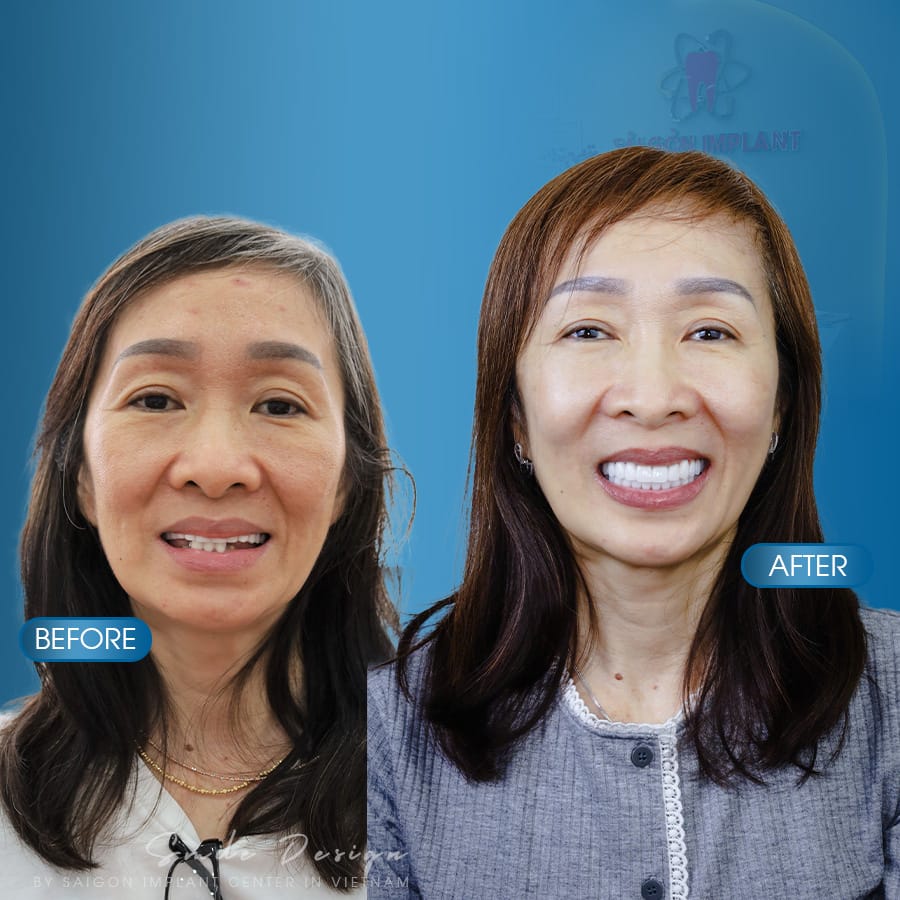
- The Problem: Mrs. Hang (from the USA) suffered from extreme upper jaw bone resorption after relying on a removable denture for many years. Her remaining bone profile was paper-thin, which caused her upper lip to look collapsed and aged.
- The Approach: The medical team conducted a high-definition 3D CBCT scan to thoroughly analyze her facial structure. Based on the digital results, they engineered a specialized, advanced full-arch fixed implant framework tailored specifically for patients with highly compromised bone volume.
- The Outcome: Mrs. H received her fixed teeth on the exact same day as her procedure. She happily shared: “I feel reborn. My face looks fuller, I can finally eat comfortably again, and everyone tells me I look years younger!”
Case Study 2: Overcoming Severe Periodontal Disease
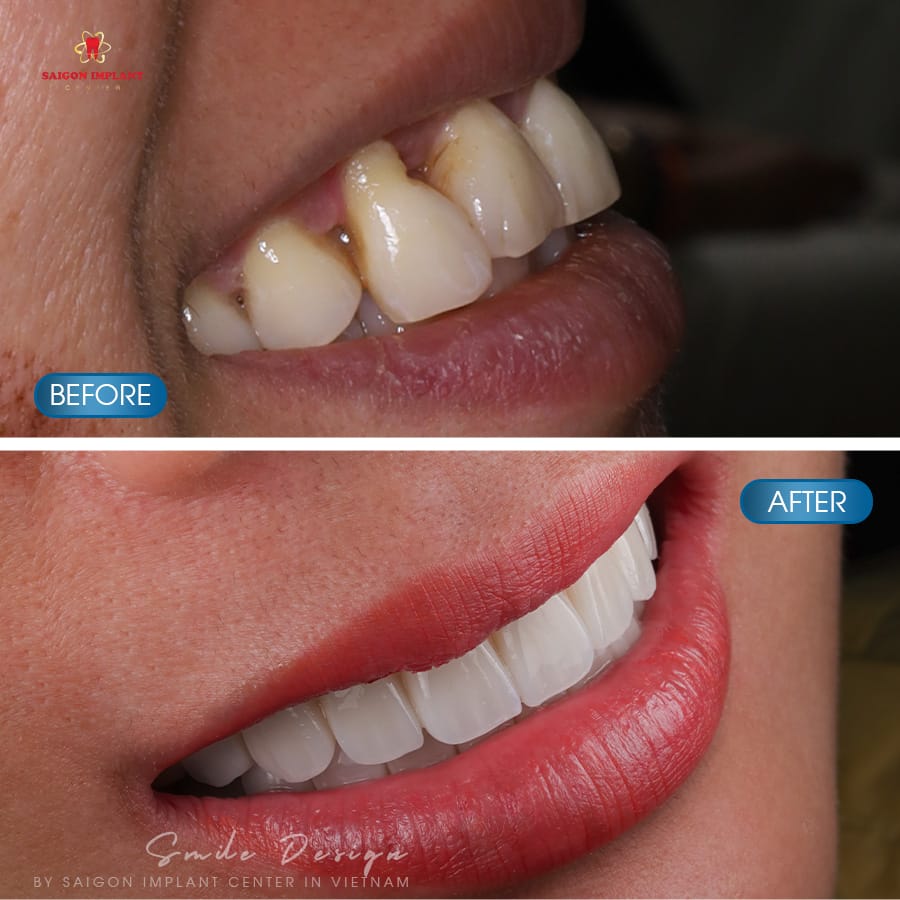
- The Problem: Ms. Thanh Kieu (from Australia) suffered from aggressive periodontal disease that caused all of her upper teeth to become loose and painful. The chronic infection had severely destroyed the supporting bone architecture surrounding her teeth.
- The Approach: The specialist team executed a comprehensive, single-day rehabilitation protocol. This involved gently extracting the failing teeth, thoroughly eliminating the active infection, and immediately stabilizing an advanced, immediate-load full-arch fixed prosthesis.
- The Outcome: Ms. Thanh Kieu completely bypassed the need to spend a single day without teeth. She returned to her executive management role with absolute confidence, enjoying a strong, beautiful, and permanent smile.
Conclusion
Zygoma implants offer an optimal solution for patients with severe tooth loss and jawbone deficiency, allowing for the restoration of chewing function and aesthetics in just 3 to 4 hours. With a safe and effective procedure, this method enables patients to quickly regain a new set of teeth and confidence in their appearance. If you are facing tooth loss issues, contact Saigon Dental Implants Center for consultation and explore the most suitable implant solutions for your needs.
Frequently Asked Questions
Most patients experience only mild discomfort after the procedure, similar to what you might feel after a tooth extraction. Pain management is straightforward with prescribed medications, and many find the results well worth any temporary discomfort.
With proper care, Zygoma implants can last many years, often just as long as traditional implants—sometimes even a lifetime! Regular dental check-ups and good oral hygiene are key to their longevity.
Not everyone is a candidate for Zygoma implants, but if you have severe upper jawbone loss, they may be an excellent option. A thorough evaluation by a skilled dental specialist will help determine if this solution is right for you.
While all surgical procedures carry some risks, complications like infection or nerve damage are quite rare with Zygoma implants, especially when performed by experienced professionals. Your safety is our priority.
Coverage can vary significantly by insurance plan. It’s best to contact your provider directly to discuss your benefits related to Zygoma implants, as some plans may offer partial or full coverage.
 Call
Call Booking
 Chat
Chat